How I Build Part-Time Income Using These Financial Tools – An Expert’s Real Journey
What if your side hustle could grow smarter, not harder? I’ve spent years testing financial tools that actually work for part-time income—no hype, just real results. From hidden risks to game-changing strategies, I’ve been through the ups and downs. In this article, I’ll walk you through the exact tools and mindsets that helped me gain control, reduce risk, and steadily boost earnings—without turning it into a full-time job. This isn’t about chasing overnight success. It’s about building something sustainable, grounded in real financial principles, and designed to fit around the life you already have. Whether you're saving for your child’s education, planning a family vacation, or simply want more breathing room in your monthly budget, the right tools can make all the difference.
The Hidden Reality of Part-Time Income (And Why Most People Fail)
Many people believe that part-time income is simply a matter of working a few extra hours each week—tutoring online, driving for a rideshare service, or selling handmade goods on weekends. While these efforts can generate cash, the reality is that most side hustles fail to produce lasting financial improvement. The issue isn’t a lack of effort; it’s a lack of strategy. Without a clear financial framework, even the most active side projects can become money pits rather than stepping stones.
One of the most common mistakes is misunderstanding cash flow timing. For example, someone may earn $300 in a week from freelance work, but if that money is immediately spent on new equipment, subscriptions, or lifestyle upgrades, there’s nothing left to reinvest or save. The result? A cycle of earning and spending that feels productive but leads nowhere. This is where opportunity cost comes in—the idea that every dollar spent on one thing is a dollar not available for another, such as emergency savings or compound growth.
Another hidden trap is emotional spending tied to side income. Because the money feels “extra,” people often treat it as disposable. They reward themselves with takeout, online shopping, or unplanned trips, eroding the very gains they worked hard to earn. This behavior is reinforced by the psychology of small-scale investing, where people expect quick wins and become discouraged when returns take time to materialize. Without discipline, the emotional high of earning gets mistaken for financial progress.
Perhaps the most damaging oversight is using the wrong financial tools for the wrong goals. Someone might use a high-yield savings account to park income meant for long-term growth, missing out on market appreciation. Or they might invest in volatile assets without understanding their risk tolerance, only to panic-sell during a downturn. The key is alignment: each financial decision should match both the time horizon and purpose of the income stream.
Treating your part-time income like a mini-business is not just a mindset—it’s a necessity. That means tracking every dollar earned and spent, reviewing performance regularly, and adjusting based on results. It means setting clear goals, such as saving 20% of side income or limiting expenses to 10% of earnings. Without this structure, even the best ideas leak money through inefficiencies, poor timing, and unchecked habits. Success doesn’t come from how hard you work, but from how smartly you manage what you earn.
Financial Tools That Actually Work (Beyond the Hype)
The market is flooded with financial tools promising to simplify part-time income management, but not all of them deliver real value. Many are designed for full-time investors or high-net-worth individuals, making them unnecessarily complex or expensive for someone earning a few hundred dollars a month on the side. The truth is, the most effective tools aren’t always the most popular—they’re the ones that align with your specific needs, workflow, and financial goals.
Budgeting platforms are among the most useful starting points. These tools help you visualize where your money goes, set spending limits, and track progress toward savings goals. Unlike generic spreadsheets, modern budgeting apps sync with bank accounts and credit cards, automatically categorizing transactions. This real-time insight allows you to see how side income is being used—whether it’s funding savings, covering household expenses, or being absorbed by unplanned costs. The functionality matters more than the brand: look for tools that offer clear reporting, low fees, and ease of use.
Automated investing apps can be powerful, but they require careful setup. The idea is simple: a set amount of money is transferred from your checking account into an investment account on a regular schedule. Over time, this builds wealth through dollar-cost averaging, which reduces the risk of buying at market peaks. However, automation can backfire if not aligned with cash flow. For instance, if funds are pulled automatically on the same day your side income arrives, you might face overdraft fees or missed bill payments. The key is timing—schedule transfers for a few days after income hits your account to ensure stability.
Passive income trackers are another underrated category. These tools help you monitor earnings from multiple sources—rental properties, dividend stocks, online courses, or affiliate marketing—on a single dashboard. Instead of logging into five different platforms, you get a consolidated view of performance. This is especially helpful for part-time earners juggling several small streams. Look for trackers that allow customization, such as tagging income by source or setting monthly targets.
Tax-advantaged accounts, such as IRAs or Health Savings Accounts (HSAs), are often overlooked in part-time income planning. Yet they offer powerful benefits: tax-deferred growth, tax-free withdrawals (in some cases), and reduced taxable income. For someone earning extra income, contributing even a small amount to these accounts can lower their tax burden and build long-term wealth. The challenge is understanding eligibility and contribution limits, which vary by country and income level. Consulting a tax professional can help ensure you’re using these tools correctly.
When evaluating any financial tool, ask three questions: Does it save time? Does it reduce risk? Does it align with my goals? If the answer to all three isn’t a clear yes, it may not be worth the cost or complexity. The goal isn’t to use every tool available, but to build a lean, effective system that supports sustainable growth.
Building a Risk-Smart System (Not Just Chasing Returns)
It’s easy to focus on returns—the percentage gain, the monthly payout, the projected growth. But high returns mean little if they come with high risk. A risk-smart system doesn’t eliminate uncertainty; it prepares for it. This means diversifying income streams, setting emotional boundaries with money, and creating buffers for unexpected gaps in earnings.
Diversification is the cornerstone of risk management. Relying on a single source of part-time income—such as one freelance client or one online platform—makes you vulnerable to sudden changes. If that client leaves or the platform changes its payout structure, your income could drop overnight. Spreading efforts across multiple streams—freelance work, digital product sales, peer-to-peer lending, or dividend investing—creates stability. Even if one stream slows, others can compensate.
Emotional boundaries are equally important. Money tied to effort can feel personal, making it harder to make rational decisions. For example, someone might hold onto a losing investment because they don’t want to admit failure, or continue working for a low-paying client out of guilt. A risk-smart system includes rules: sell if an investment underperforms for three consecutive quarters, or walk away from clients who don’t pay on time. These rules remove emotion from decision-making.
Creating buffers is another critical step. Life happens—illness, family needs, or market shifts can disrupt even the best-laid plans. A buffer could be a dedicated savings account with three to six months’ worth of side income expenses, or a line of credit with favorable terms. The goal isn’t to rely on the buffer, but to have it available when needed. This reduces stress and prevents rash decisions during tough times.
The “set and forget” approach only works if the system has been stress-tested. That means running simulations: What if income drops by 30%? What if fees increase? What if a major client leaves? By anticipating these scenarios, you can adjust your strategy before a crisis hits. For example, delaying reinvestment until savings reach a certain threshold ensures you’re not putting money at risk before building a safety net. This cautious approach may grow wealth more slowly, but it grows it more reliably.
The Cash Flow Mindset: Treating Side Income Like a Business
Even if you’re not legally registered as a business, your part-time income should be managed like one. This means tracking every inflow and outflow, separating personal and business-related expenses, and reviewing performance monthly. The shift from thinking of side income as “extra cash” to treating it as a “mini enterprise” is transformative.
Start by opening a separate bank account for all side income and related expenses. This creates clarity and makes tracking easier. Every dollar earned goes into this account, and every business-related cost—software subscriptions, materials, travel—comes out of it. At the end of each month, transfer a set amount to your personal account as “profit,” and leave the rest for reinvestment or savings. This simple step prevents side income from being absorbed into daily spending.
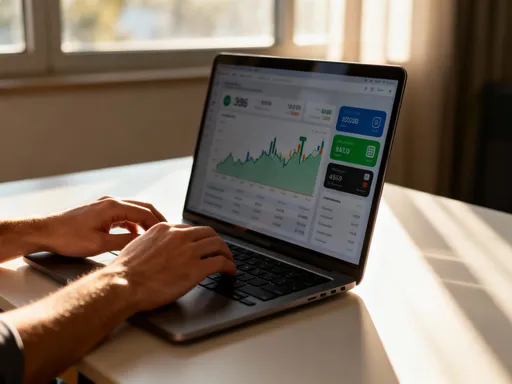
Next, set up a simple dashboard to monitor key metrics: total income, expenses, net profit, and growth rate. This doesn’t require advanced software—many people use free tools like Google Sheets or basic financial apps. The goal is visibility: seeing trends over time, spotting inefficiencies, and making informed adjustments. For example, if you notice that platform fees are eating up 15% of your income, you might explore lower-cost alternatives or raise your rates.
Monthly reviews are essential. Schedule a regular time—perhaps the first weekend of each month—to assess performance. Ask: Did I meet my income goal? Were expenses in line? What worked well? What needs to change? This routine turns financial management from a chore into a habit. Over time, it builds confidence and control.
This business mindset also encourages strategic thinking. Instead of reacting to opportunities, you can plan for them. For example, if you know income tends to dip in the summer, you can build up savings in the spring. Or if a new platform emerges, you can test it on a small scale before committing more time or money. The result is not just more income, but more stability and peace of mind.
Automation Without Overload: Smarter, Not Harder
Time is the most limited resource for anyone managing a side hustle alongside family and other responsibilities. Automation can be a powerful ally, but only if used wisely. The goal isn’t to automate everything, but to automate the right things—those that are repetitive, time-consuming, and low-risk.
Scheduling transfers is one of the most effective uses of automation. Set up automatic transfers from your side income account to savings, investment, or tax accounts on a fixed schedule. This ensures consistent progress toward goals without requiring daily decisions. For example, transferring 20% of monthly earnings to a retirement account removes the temptation to spend it elsewhere.
Synching tools can also save time. If you use multiple platforms—such as a budgeting app, investment account, and income tracker—look for ones that integrate seamlessly. This reduces manual data entry and minimizes errors. However, avoid over-syncing. Too many connected accounts can create confusion, especially if one tool updates and others don’t reflect the change. Test integrations carefully and monitor them regularly.
Alerts and notifications can be helpful, but they can also become overwhelming. Receiving a dozen messages a day about market movements, balance changes, or payment confirmations can lead to decision fatigue. Customize your settings: turn off non-essential alerts, and keep only those that require action, such as low balance warnings or tax deadlines.
Common mistakes include automating into high-fee accounts or ignoring tax implications. For instance, automatically investing in a mutual fund with a 1.5% annual fee will erode returns over time. Similarly, failing to set aside money for taxes on side income can lead to a surprise bill at year-end. Always review the terms and consequences before turning on automation.
The sweet spot is a system that runs smoothly but still keeps you in control. Automation should handle the routine, while you focus on strategy, growth, and life balance. When done right, it frees up mental space and time—two of the most valuable assets you have.
When Tools Fail: Learning from My Own Mistakes
No financial system is perfect, and I’ve made my share of errors. One of the most costly was trusting a tool that promised “hands-free profits” through algorithmic trading. It claimed to analyze market trends and execute trades automatically, delivering steady returns with no effort. I invested a portion of my side income, only to discover months later that the platform had high hidden fees and poor performance. By the time I pulled out, I’d lost nearly 30% of my initial investment.
This experience taught me to question every claim, even from platforms with glowing reviews. Misaligned incentives are common—some tools earn money from transaction fees or partnerships, not from your success. I now research the business model behind any financial product: who profits when I win? Who profits when I lose? If the answer isn’t clear, I walk away.
Another setback came from poor timing. I once automated investments to trigger on the first of every month, but my side income didn’t arrive until the fifth. This created a cash flow gap, leading to overdraft fees and stress. I learned to align automation with income cycles, not calendar dates. Now, transfers happen two days after I receive payment, ensuring funds are available.
These failures shaped my current approach. I now test new tools on a small scale before committing fully. I read the fine print, especially regarding fees, data privacy, and withdrawal policies. I also maintain a manual check-in routine, reviewing all automated actions at least once a month. Transparency and caution have become my guiding principles.
Mistakes are inevitable, but they don’t have to be permanent. What matters is learning, adapting, and building a more resilient system over time. Every setback has made me more thoughtful, more disciplined, and more in control of my financial future.
Putting It All Together: A Sustainable Part-Time Income Plan
Building lasting part-time income isn’t about finding a magic tool or shortcut. It’s about creating a balanced, thoughtful system that grows with you. The framework I’ve shared—understanding hidden risks, choosing the right tools, managing risk, adopting a business mindset, automating wisely, and learning from mistakes—forms the foundation of sustainable financial progress.
Start by assessing your current setup. Are you tracking income and expenses? Do you have separate accounts? Are your tools aligned with your goals? If not, begin with small, manageable changes. Open a dedicated account. Set up one automated transfer. Review your finances once a month. These steps may seem minor, but they compound over time.
Next, focus on risk management. Diversify your income sources. Build a buffer. Set emotional boundaries. These safeguards don’t guarantee profits, but they protect against losses. Remember, preserving capital is just as important as growing it.
Use automation to support, not replace, your judgment. Let it handle routine tasks, but stay engaged with the bigger picture. Review performance, adjust strategies, and stay informed. The goal is not to build a perfect system, but a resilient one—one that can adapt to life’s changes.
Finally, ask yourself key questions: Is this tool saving me time? Does it reduce risk? Does it align with my long-term goals? If the answer is no, reconsider its place in your plan. Stay skeptical of promises that sound too good to be true. Real financial progress is slow, steady, and built on discipline.
This journey isn’t about getting rich quickly. It’s about gaining control, reducing stress, and creating a more secure future for you and your family. With the right tools and mindset, part-time income can become a reliable, sustainable part of your financial life—one that grows smarter, not harder, over time.