How I Turned Spa Days Into Smarter Investments Without Losing My Cool
Ever feel like treating yourself to a spa day is the only way to survive adulthood? I used to think that too—until I realized every luxury moment was quietly draining my long-term financial health. What if you could enjoy wellness and build wealth at the same time? This is the story of how I redefined self-care by aligning it with the investment cycle, turning impulsive spending into intentional growth—all without sacrificing peace of mind. At first, the idea seemed impossible. How could something as indulgent as a massage fit into a serious financial plan? But over time, I discovered that the real conflict wasn’t between comfort and savings—it was between impulse and intention. By learning to see my spending not as guilt-laden choices but as opportunities to reinforce long-term goals, I transformed my relationship with money. This journey wasn’t about deprivation; it was about clarity, balance, and sustainable joy.
The Moment I Realized My Spa Habit Was Costing Me More Than Money
For years, my response to stress was automatic: book a spa appointment. Whether it was a tense week at work, family obligations piling up, or just the weight of daily responsibilities, I found comfort in the ritual of booking a massage or a facial. The scent of lavender, the quiet treatment rooms, the feeling of being cared for—it offered a real emotional release. I told myself it was self-care, and in many ways, it was. But over time, I began to notice a pattern. The relief was always temporary. Within a day or two, the calm would fade, and in its place came a quiet, nagging unease. Not about how I felt physically, but about how my bank account looked.
It wasn’t until I started tracking my expenses that the full picture emerged. I averaged one to two spa visits per month, spending between $80 and $150 each time. On the surface, that didn’t seem excessive—certainly not enough to cause financial crisis. But when I projected it over a year, the total reached nearly $1,500. That number hit me harder than I expected. I began to ask myself what else that money could have done. Could it have funded a Roth IRA contribution? Paid off a credit card balance? Started an emergency fund? The realization wasn’t that spa days were inherently bad, but that they were being treated as reactive fixes rather than deliberate choices. I was using them to manage stress, but in doing so, I was increasing financial stress in the long run.
More importantly, I began to see how emotional spending can mask deeper financial behaviors. Each spa visit was a small decision, but collectively, they reflected a mindset of short-term comfort over long-term security. I wasn’t budgeting for these expenses, nor was I considering their opportunity cost—the value of what I was giving up by spending that money now instead of investing it. The turning point came when I calculated how much that $1,500 could grow over time if invested with compound interest. At a conservative 6% annual return, that amount could grow to over $2,600 in ten years. That wasn’t just a number—it was a future version of myself, better prepared, less anxious, more in control. The spa gave me an hour of peace. The investment could give me years of stability. That shift in perspective changed everything.
Understanding the Investment Cycle: What It Really Means for Beginners
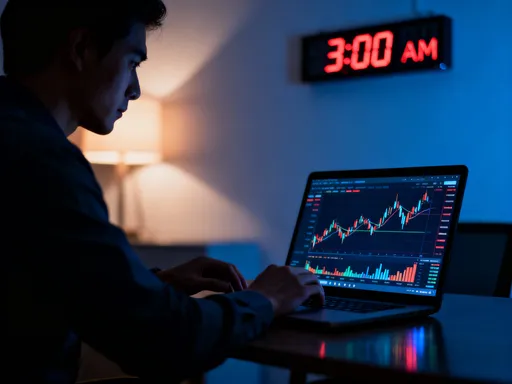
When I first heard the term “investment cycle,” I imagined complex stock charts, high-frequency traders, and financial jargon I didn’t understand. I assumed it was something reserved for people with six-figure incomes or finance degrees. But as I began to learn, I realized the investment cycle is not about complexity—it’s about rhythm. It’s the natural progression of how money grows when given time, consistency, and intention. For beginners, it starts with a simple idea: money you don’t spend today has the potential to earn more money tomorrow. This concept, known as compounding, is the engine of long-term wealth building.
The investment cycle typically moves through several phases: accumulation, growth, reinvestment, and eventually, distribution. In the accumulation phase, you set aside money regularly—whether through automated transfers, employer-sponsored retirement plans, or simple savings accounts. This is the foundation. The growth phase occurs when those funds are exposed to interest, dividends, or market appreciation. Reinvestment means letting those earnings generate additional returns, rather than withdrawing them. Over time, this creates a snowball effect. A dollar invested today can become two, then four, then eight—not through risk or speculation, but through time and consistency.
What made this click for me was reframing investments as delayed self-care. Instead of seeing them as sacrifices, I began to view them as future rewards. Every dollar I chose to invest wasn’t lost—it was working for me. I started small, putting just $50 a month into a low-cost index fund. I watched it grow slowly at first, but over months and years, the balance began to reflect real progress. The emotional payoff shifted. Where I once felt satisfaction from a spa receipt, I now felt pride when I checked my investment account. I wasn’t denying myself joy—I was postponing it in a way that multiplied its value. This mindset didn’t come overnight, but each small decision reinforced it. The investment cycle taught me patience, a quality that spilled over into other areas of my life, from parenting to career decisions.
Why Wellness Spending Often Becomes a Financial Leak
The wellness industry is vast, and for good reason—people genuinely want to feel better. From massages and facials to supplements and fitness classes, these services promise rejuvenation, balance, and relief. But there’s a subtle danger in how they’re marketed and consumed: they’re often framed as essential, even urgent, forms of self-care. This emotional appeal makes it easy to justify spending, especially when you’re stressed or overwhelmed. I fell into this trap repeatedly. A long day? Time for a massage. A rough week? I deserve a facial. The problem wasn’t the services themselves, but the lack of boundaries around them.
Financial leaks aren’t always obvious. They don’t show up as one massive expense but as a series of small, recurring outflows that go unnoticed until they’ve added up. Unlike fixed costs like rent or utilities, wellness spending is discretionary and emotionally charged, making it harder to track and control. What starts as an occasional treat can become a habitual response to stress. Over time, these habits erode financial resilience. The money spent on wellness services isn’t generating future value—it’s providing immediate comfort with no long-term return. In financial terms, it’s consumption, not investment.
This isn’t to say that self-care is frivolous. On the contrary, mental and physical well-being are critical. The issue lies in the imbalance. When wellness spending isn’t integrated into a broader financial plan, it competes with other goals—saving for a home, funding education, preparing for retirement. I realized I was prioritizing short-term emotional relief at the expense of long-term financial security. The solution wasn’t to eliminate spa days altogether, but to bring awareness and intention to them. By treating self-care as a planned expense rather than an impulsive reaction, I could enjoy it without guilt or regret. This required a shift from emotional spending to strategic spending—one that honored both my present needs and my future self.
Building a Personal Finance Framework That Includes Self-Care
One of the biggest mistakes I made early on was viewing money through a binary lens: either I was saving and being responsible, or I was spending and being indulgent. This all-or-nothing thinking created unnecessary guilt and made sustainable financial habits impossible. The breakthrough came when I stopped seeing spending and investing as opposites and started seeing them as parts of a balanced system. I developed a personal finance framework that allowed for both growth and enjoyment—without compromise.
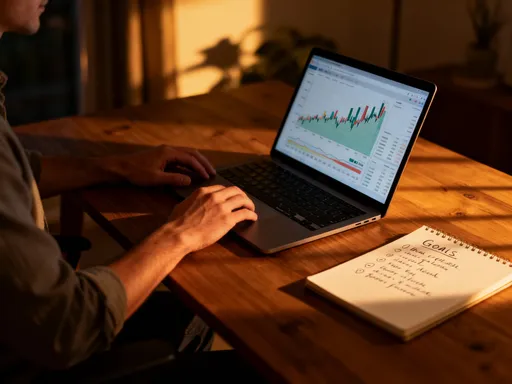
The core of this framework was allocation. I divided my monthly income into categories: essentials, savings, investments, and discretionary spending. Within the discretionary budget, I included a line item specifically for self-care. This wasn’t a large amount—initially, it was just $50 per month—but it was intentional. Knowing I had a dedicated amount for wellness removed the guilt from spending it. If I wanted a massage, I could use that fund. If I didn’t spend it, it could roll over or be redirected. This small change transformed my relationship with money. Instead of feeling like I was sneaking treats, I was making conscious choices within a structure that supported my values.
I also introduced behavioral triggers to reinforce discipline. For example, I set a rule that I could only book a spa appointment after I had contributed to my investment account for the month. This linked indulgence to responsibility, turning self-care into a reward for financial progress. Over time, these small rituals built a new identity: not someone who was bad with money, but someone who was learning to manage it wisely. The framework wasn’t rigid—it evolved as my income and goals changed—but it provided consistency. Most importantly, it gave me permission to enjoy life without jeopardizing my future. True financial health, I learned, isn’t about perfection. It’s about balance, awareness, and sustainable habits.
Practical Strategies to Align Spending with the Investment Cycle
Once I had a framework in place, I began testing specific strategies to align my spending with my investment goals. One of the most effective was the “pay-yourself-first” rule. Before I paid any bills or allocated money for leisure, I automatically transferred a set amount into my investment account. This ensured that saving and investing weren’t afterthoughts—they were priorities. Even when money was tight, this small, consistent action built momentum. Over time, the habit became automatic, and the growing balance served as a visible reminder of progress.
Another strategy was redirecting windfalls. Instead of using tax refunds, bonuses, or cash gifts for impulse purchases, I designated them for self-care experiences. This meant I could still enjoy spa days, but without touching my regular income. It felt like getting a “free pass” to indulge, even though the money was still coming from my earnings—just at a different time. This approach preserved my monthly budget while allowing for occasional luxuries. It also reinforced the idea that rewards don’t have to come at the expense of discipline.
I also adjusted the frequency of my spa visits. Instead of going once a month, I limited myself to quarterly appointments. This made each visit feel more special and intentional. To fill the gap, I incorporated low-cost or free wellness practices—long walks in nature, at-home yoga, journaling, or quiet mornings with tea. These activities provided genuine relaxation without the financial cost. Over time, I realized that not all self-care requires spending. Some of the most restorative moments came from simplicity and presence. By spacing out paid treatments and supplementing with free alternatives, I maintained my well-being while protecting my financial goals.
Risk Control: How to Enjoy Now Without Jeopardizing Tomorrow
Every financial decision involves risk, and emotional spending carries a unique kind of risk—one that’s not always visible on a balance sheet. The danger isn’t usually in a single purchase, but in the cumulative effect of repeated choices made without awareness. I learned to assess not just whether I could afford a spa day, but what that choice meant in the broader context of my financial life. Could I cover it without going into debt? Yes. But what was the opportunity cost? That $120 could have been invested, where it might grow to $200 or more in ten years. Making that trade-off visible helped me make more conscious decisions.
Risk control also meant diversifying my approach to wellness. Just as a balanced investment portfolio includes different asset classes to reduce volatility, I created a “wellness portfolio” that included both paid and unpaid activities. This reduced my dependence on any single source of relief and made my self-care routine more resilient. If money was tight one month, I didn’t feel deprived—I simply shifted to free or low-cost options. This flexibility minimized regret and maximized satisfaction. I wasn’t giving up pleasure; I was expanding my definition of it.
I also began to track the emotional return on my spending. Did a spa day truly leave me feeling restored, or was it just a temporary escape? Sometimes, the answer surprised me. There were times when a simple walk in the park left me feeling more refreshed than an expensive massage. This insight helped me spend more intentionally, focusing on what actually improved my well-being rather than what I thought I should enjoy. By aligning my spending with real outcomes, I reduced waste and increased fulfillment. Risk control, in this sense, wasn’t about restriction—it was about clarity and alignment.
From Consumer to Investor: A Mindset Shift That Changed Everything
The most profound change in my financial journey wasn’t measured in dollars—it was measured in mindset. I stopped seeing myself as a passive consumer of services and began to identify as an active investor in my future. This shift didn’t happen overnight. It was built through small, consistent actions: transferring money to my investment account, saying no to impulse bookings, celebrating milestones like reaching $5,000 in savings. Each decision reinforced a new identity. I wasn’t just saving money—I was building a life of greater security and choice.
Watching my portfolio grow became a source of deep satisfaction. There was something powerful about seeing my money work for me, even when I wasn’t actively earning. It gave me a sense of agency, a feeling that I was in control of my financial destiny. The emotional reward of compound growth began to rival, and eventually surpass, the fleeting pleasure of a spa day. I still enjoy wellness treatments, but now they’re part of a larger, intentional plan. They’re not escapes from stress—they’re celebrations of progress.
True self-care, I’ve learned, isn’t just about feeling good in the moment. It’s about making choices today that allow you to feel secure, confident, and at peace tomorrow. It’s about honoring both your present needs and your future self. By aligning my spending with the investment cycle, I didn’t lose my cool—I gained clarity, confidence, and lasting financial well-being. The journey from consumer to investor wasn’t about giving up joy. It was about transforming it into something deeper, more meaningful, and far more enduring.