Why Luxury Purchases Can Actually Grow Your Wealth — An Inside Look
What if buying luxury wasn’t just about status—but strategy? I used to see high-end watches, art, and designer pieces as pure expenses. Then I discovered how certain luxury assets can appreciate over time. It’s not about splurging—it’s about selecting wisely. This shift changed how I view spending. Let me walk you through the mindset, risks, and real financial potential behind turning luxury purchases into long-term value creators. While most consumer goods lose value the moment they leave the store, a select group of luxury items has demonstrated the ability to maintain or even increase their worth across decades. This isn’t speculation; it’s a documented trend supported by auction records, collector demand, and market analysis. The key lies in understanding which items qualify as true assets—and how to approach them with the discipline of an investor, not just the desire of a consumer.
The Hidden Financial Logic Behind Luxury Spending
Luxury spending is often labeled as indulgent, a category of expense reserved for celebration or reward rather than serious financial planning. Yet beneath the surface of what appears to be emotional consumption lies a quiet but powerful economic principle: scarcity-driven value preservation. Unlike mass-market electronics, furniture, or standard apparel—items that begin losing value at the point of purchase—certain luxury goods are designed and produced under conditions that inherently limit supply. This controlled scarcity, combined with enduring demand from collectors and connoisseurs, creates a unique dynamic where depreciation is not guaranteed. In fact, for some items, appreciation is the norm.
The financial logic begins with a simple but critical distinction: not all purchases are created equal. A $2,000 handbag from a fast-fashion brand serves its purpose but will likely be discarded within a few years, holding no resale value. In contrast, a Hermès Kelly bag of similar or even higher initial cost may retain 80% or more of its value on the secondary market—and in some cases, exceed its original price. This difference is not merely about brand prestige; it reflects deeper economic fundamentals. These include the cost and complexity of craftsmanship, the brand’s control over distribution, and the cultural capital attached to ownership. When these factors align, the item transcends its function as a consumer good and begins to behave more like a store of value.
This shift in perception—from expense to asset—is foundational. It requires a change in how individuals approach their spending decisions. Instead of asking, “Can I afford this?” the more strategic question becomes, “Will this hold or grow in value over time?” This mindset does not eliminate enjoyment; rather, it layers financial intentionality over personal taste. A woman purchasing a timeless piece of jewelry is not only treating herself but potentially acquiring an item that could be passed down through generations, both as a family heirloom and a financial safeguard. Similarly, investing in a limited-edition timepiece may satisfy a love for design while also serving as a hedge against inflation, much like gold or fine art.
Importantly, this approach does not advocate for reckless spending under the guise of investment. It is not a justification for buying luxury items beyond one’s means. Instead, it promotes a more thoughtful relationship with consumption, where each purchase is evaluated not only for its immediate utility or emotional appeal but also for its long-term implications. The goal is not to turn every shopper into a collector, but to empower individuals—particularly those managing household finances or planning for long-term security—to recognize that some forms of spending can simultaneously fulfill personal desires and support financial resilience.
What Makes a Luxury Item an Appreciating Asset?
Not every luxury purchase qualifies as a potential investment. The difference between an item that fades in value and one that grows lies in a set of measurable, identifiable characteristics. These include authenticity, rarity, provenance, condition, and brand consistency. Together, they form what experts call the “appreciation framework”—a checklist that serious collectors use to assess an item’s long-term potential. Understanding these factors allows buyers to move beyond impulse and make choices grounded in market reality.
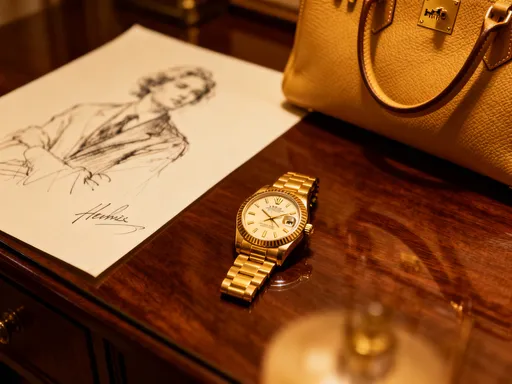
Rarity is perhaps the most powerful driver of value. Items produced in limited quantities—whether a numbered edition of a watch, a seasonal release from a high-end fashion house, or a one-of-a-kind artwork—naturally attract higher demand relative to supply. For example, Rolex produces certain models like the Daytona or Submariner in constrained volumes, often leading to waitlists and secondary market premiums. Similarly, Hermès maintains strict control over the availability of its Birkin and Kelly bags, creating an artificial scarcity that supports long-term value retention. When supply is limited and demand remains steady or increases, prices tend to rise over time—a basic principle of economics that applies as much to luxury goods as to real estate or commodities.
Authenticity is equally critical. The luxury resale market is rife with counterfeits, and a single doubt about an item’s legitimacy can destroy its value. This is why documentation matters: original receipts, authenticity cards, service records, and manufacturer certificates serve as proof of origin and care. A vintage Chanel bag with full paperwork will command a significantly higher price than an identical-looking piece without documentation. In the world of fine art, provenance—the documented history of ownership—can make the difference between a piece selling for thousands versus millions. A painting once owned by a known collector or exhibited in a reputable gallery carries more credibility and market appeal.
Condition plays a decisive role as well. Unlike stocks or bonds, physical luxury assets are subject to wear and tear. A watch that has been poorly maintained, a handbag with stained leather, or a piece of jewelry with missing stones will lose value regardless of its rarity. Proper storage, regular servicing, and careful use are essential to preserving an item’s condition. For instance, mechanical watches require periodic servicing to ensure accuracy and longevity, while leather goods benefit from climate-controlled storage to prevent cracking or discoloration. These maintenance efforts are not optional extras—they are part of the investment process.
Finally, brand consistency and legacy matter. Not all luxury brands have the same track record of value retention. Houses like Patek Philippe, Cartier, and Van Cleef & Arpels have maintained strong reputations for craftsmanship and exclusivity over decades, contributing to the reliability of their products as assets. In contrast, newer or trend-driven brands may see their items lose relevance quickly once fashion cycles shift. Therefore, choosing brands with a long history of quality and desirability increases the likelihood of long-term appreciation.
Real-World Examples: When Luxury Became Investment
The idea that luxury items can outperform traditional investments is not theoretical—it has been demonstrated repeatedly in the real world. Auction houses like Sotheby’s, Christie’s, and Phillips have become key indicators of this trend, regularly reporting record-breaking sales for watches, art, and collectibles. These transactions are not isolated incidents; they reflect a broader shift in how value is stored and transferred across generations.
Consider the case of Patek Philippe watches. In 2019, a stainless steel Patek Philippe Grandmaster Chime sold at auction for $31 million, making it the most expensive watch ever sold. This was not a one-off event. Over the past two decades, vintage Patek models have consistently appreciated, with some increasing in value by over 500%. A watch purchased for $50,000 in 2000 could now be worth $300,000 or more, far exceeding the average annual return of the S&P 500 over the same period. The reasons are clear: limited production, exceptional craftsmanship, and a loyal collector base that values both heritage and performance.
In the art world, Jean-Michel Basquiat’s works offer another striking example. In the early 1980s, his paintings sold for a few thousand dollars. Today, they routinely fetch tens of millions. In 2017, his painting “Untitled” sold for $110.5 million, setting a record for an American artist. While Basquiat’s rise is exceptional, it illustrates how cultural significance, artist legacy, and market demand can combine to create extraordinary financial returns. For early collectors who believed in his vision, the emotional and financial rewards have been immense.
Even categories once considered niche have entered the mainstream investment conversation. Rare sneakers, particularly limited releases from brands like Nike or Adidas in collaboration with designers such as Kanye West, have seen dramatic value increases. A pair of Nike Air Yeezy 1 “Red Octobers,” originally retailing for $200, sold for over $1.8 million in 2021. Similarly, fine wine—especially vintages from Bordeaux or Burgundy—has proven to be a reliable alternative asset. A case of 1982 Château Lafite Rothschild purchased for a few hundred dollars decades ago could now be worth tens of thousands.
These examples share common threads: they involve items that were acquired with knowledge, held with patience, and sold at the right moment. They also highlight the importance of timing and market awareness. Just as stock investors study financial statements and economic trends, luxury asset investors must track brand developments, collector sentiment, and auction results. The difference is that these investments often come with personal meaning—owning a piece of art or wearing a family heirloom adds emotional depth to the financial outcome.
Risks You Can’t Ignore in Luxury Asset Markets
Despite the compelling success stories, luxury asset investing is not without significant risks. Unlike publicly traded securities, which are regulated, transparent, and liquid, the luxury resale market operates with far less oversight. This lack of standardization means buyers must take greater responsibility for due diligence. The most immediate risk is authenticity. Counterfeit goods flood the secondary market, especially online, and even experienced buyers can be deceived. Without expert verification, a high-value purchase could turn out to be worthless.
Market volatility is another concern. While some luxury categories have shown long-term appreciation, they are not immune to shifts in taste or economic conditions. A handbag style that is highly sought after today may fall out of favor in five years. Economic downturns can also impact discretionary spending, leading to temporary declines in resale values. Unlike stocks, which can be sold instantly on an exchange, luxury items may take months or even years to sell at full value. This low liquidity means owners may face pressure to accept lower offers if they need cash quickly.
Hidden costs further erode potential returns. Insurance for high-value items can be expensive, particularly for jewelry, art, or collectible cars. Storage is another consideration—fine art and wine require climate-controlled environments to prevent damage. Watches and handbags need regular maintenance to preserve condition. These ongoing expenses are often overlooked but can significantly reduce net gains over time.
Additionally, the luxury market is influenced by trends and celebrity culture. An item’s value may spike due to a celebrity endorsement or a viral social media moment, only to decline just as quickly. This speculative element introduces uncertainty, making it difficult to predict long-term performance. Therefore, treating luxury purchases as part of a financial strategy requires patience, research, and a willingness to hold assets for extended periods—sometimes decades—before realizing their full potential.
How to Build a Balanced Approach to Luxury Investing
Integrating luxury assets into a financial plan should be done with care and balance. Financial advisors generally recommend allocating no more than 5% to 10% of a portfolio to alternative assets, including art, collectibles, and luxury goods. This ensures that core financial goals—such as retirement savings, emergency funds, and debt management—are not compromised. The purpose of including luxury items is not to replace traditional investments but to diversify and add a layer of tangible, passion-driven value to one’s wealth.
Diversification within the luxury category itself is also important. Relying solely on one type of asset—such as watches or handbags—exposes the investor to category-specific risks. Spreading investments across different types of luxury goods can help mitigate this. For example, a collector might own a vintage timepiece, a piece of fine jewelry, and a limited-edition art print. This variety reduces dependence on any single market trend and increases the chances that at least some assets will perform well over time.
Working with trusted professionals is another key component. Reputable dealers, certified appraisers, and auction house specialists can provide valuable guidance on pricing, authenticity, and market trends. Many collectors also subscribe to price databases like the WatchCharts or Artprice to track historical performance and identify emerging opportunities. These tools help remove emotion from decision-making and support a more disciplined approach.
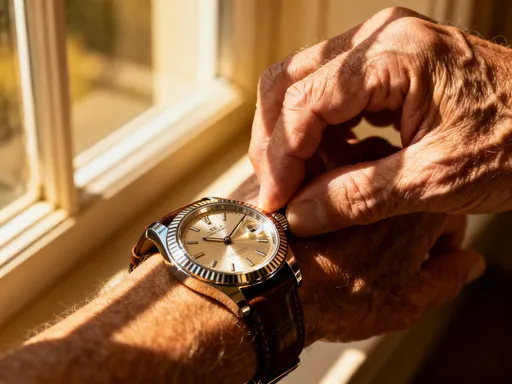
Finally, patience is essential. Luxury assets are not short-term plays. Their value often compounds over time, particularly when cared for properly and held through market cycles. A watch purchased in the 1990s may have seemed like a modest indulgence at the time, but today it could be a prized asset. The most successful collectors are those who combine knowledge with long-term vision, treating each acquisition as both a personal treasure and a financial commitment.
Practical Steps: From Buyer to Savvy Collector
Becoming a savvy luxury collector begins with education. Before making any purchase, take time to research brands, models, and market trends. Identify which items have a history of strong resale performance. For watches, this might mean focusing on Rolex, Patek Philippe, or Audemars Piguet. For handbags, Hermès, Chanel, and vintage Louis Vuitton are often reliable choices. Read price guides, follow auction results, and join online forums or local collector groups to learn from experienced owners.
When ready to buy, prioritize condition and documentation. Always purchase from reputable sources—authorized dealers, certified resellers, or trusted auction houses. Avoid private sellers unless they can provide verifiable proof of authenticity and ownership history. Keep all receipts, warranty cards, and service records in a secure location. These documents not only support future resale value but also protect against fraud.
Proper storage is critical. Store watches in a dry, temperature-stable environment, ideally in a watch winder if they are automatic. Leather goods should be kept in dust bags, away from direct sunlight and humidity. Art and photographs require UV-protected framing and controlled indoor conditions. Investing in quality storage solutions pays off in the long run by preserving the item’s condition and marketability.
Over time, focus on building a curated collection rather than accumulating random items. Choose pieces that resonate personally but also meet the criteria for long-term value. A well-curated collection tells a story—whether it’s a focus on mid-century design, a passion for horology, or an appreciation for craftsmanship. This coherence increases the collection’s appeal to future buyers or heirs. By treating each purchase as part of a larger strategy, buyers can transform their spending into a meaningful, value-generating practice.
The Bigger Picture: Wealth, Taste, and Lasting Value
In the end, the true power of luxury asset investing lies not just in financial returns, but in the mindset it fosters. It encourages intentionality, patience, and a deeper connection to the things we own. In a world of fast fashion and disposable goods, choosing to invest in items that last—both in quality and value—represents a quiet act of resistance against wasteful consumption. It reflects a belief in craftsmanship, heritage, and the enduring appeal of beauty.
For many women managing household budgets and long-term financial planning, this approach offers a way to align personal values with economic strategy. A beautifully crafted handbag, a timeless piece of jewelry, or a cherished work of art can serve multiple roles: as a source of daily joy, a symbol of achievement, and a potential legacy asset. When passion and prudence are combined, spending is no longer just an outflow of money—it becomes a form of stewardship.
This redefinition of luxury shifts the conversation from excess to excellence, from impulse to intention. It does not require wealth to begin; it requires discernment. By learning to distinguish between fleeting trends and lasting value, individuals can make choices that enrich both their lives and their financial futures. In doing so, they don’t just acquire objects—they build a legacy of thoughtful ownership, one carefully chosen piece at a time.