Timeless Steel, Lasting Value: Why I Bet on Watches Instead of Stocks
Have you ever held something that felt like it was built to outlast you? I’m talking about luxury watches—not just as accessories, but as real assets. I used to think only real estate or stocks could grow in value. Then I saw how rare timepieces held their ground when markets wobbled. This isn’t about flashy displays; it’s about patience, knowledge, and emotional control. Unlike digital portfolios that vanish from screens during crashes, a well-chosen watch remains in your hand, ticking steadily through economic storms. I began to see these instruments not as indulgences, but as stores of value shaped by craftsmanship, scarcity, and legacy. This shift didn’t happen overnight, but once it did, my entire financial perspective changed. Here’s how I learned to bet on timeless steel instead of volatile tickers.
The First Spark: What Made Me Look at Watches Differently
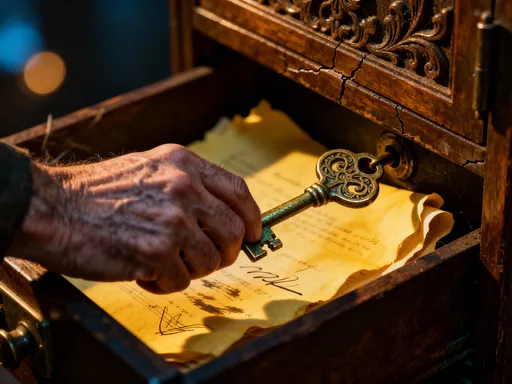
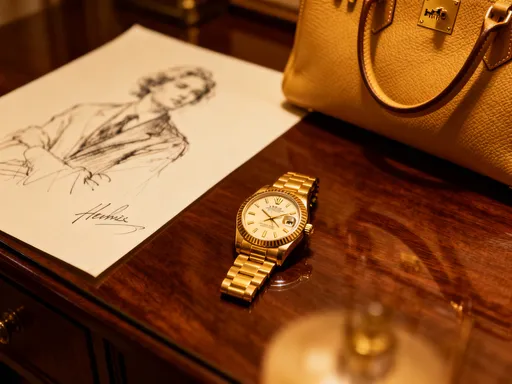
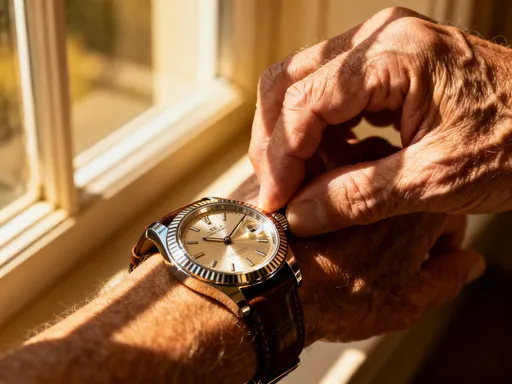
For most of my adult life, I viewed luxury watches as status symbols—beautiful, yes, but ultimately a form of spending with no return. That changed when I inherited my grandfather’s vintage timepiece, a simple yet elegant model from a respected Swiss brand. At first, I saw it only as a family heirloom, a quiet reminder of his disciplined life and quiet pride. But when I took it to a specialist for appraisal, I was stunned. The watch, originally purchased for a modest sum decades ago, had appreciated significantly—not just in sentimental worth, but in real market value. This wasn’t luck; it was the result of limited production, enduring demand, and meticulous preservation. That moment sparked a deeper curiosity. I began researching how certain watches consistently retained or increased in value over time, even during recessions. I discovered that select models from brands like Rolex, Patek Philippe, and Audemars Piguet weren’t just surviving—they were thriving as alternative assets. Unlike stocks, which are subject to corporate performance and macroeconomic swings, these watches drew value from craftsmanship, heritage, and exclusivity. I started to see them not as expenses, but as tangible investments with a unique set of advantages. The realization was profound: physical objects, when chosen wisely, could offer stability in an increasingly digital and uncertain financial world. This wasn’t about chasing trends or flaunting wealth—it was about recognizing a different kind of asset class, one rooted in time, skill, and scarcity.
The Mindset Shift: From Spending to Strategic Owning
The biggest hurdle I faced wasn’t financial—it was psychological. For years, I had internalized the idea that buying a luxury watch was a luxury purchase, akin to fine dining or designer clothing: enjoyable, but ultimately depreciating. Shifting from that consumer mindset to one of strategic ownership required a complete reframe. I stopped asking, “How much did I spend?” and began asking, “What could this be worth in ten or twenty years?” This subtle change in language signaled a deeper transformation in how I viewed value. I began treating each potential purchase as a curated addition to a long-term portfolio, not an impulsive retail decision. That meant resisting the allure of flashy, limited-edition releases designed for short-term buzz and instead focusing on models with proven track records of appreciation. I studied auction results from reputable houses like Christie’s and Sotheby’s, tracked price trends on collector forums, and analyzed brand strategies around production volume and innovation. What emerged was a clear pattern: watches with timeless design, in-house movements, and strong brand equity tended to hold or increase in value over time. Emotional discipline became essential. I learned to ignore the noise of social media hype and the fear of missing out on trending models. Instead, I focused on patience and research. The real benefit wasn’t just financial—it was the satisfaction of owning something beautiful and functional that might also grow in worth. This dual reward—emotional and economic—reshaped my entire approach to personal finance. I wasn’t just building a collection; I was building resilience.
How Watches Hold Value When Markets Don’t
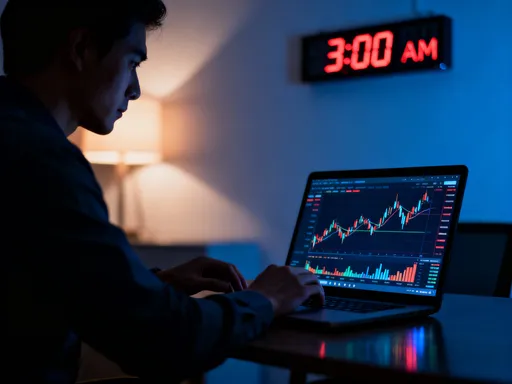
One of the most compelling reasons I turned to watches was their performance during market downturns. When stock indices dropped sharply during periods of economic uncertainty, I noticed something remarkable: my carefully selected timepieces remained stable, and in some cases, even appreciated. This resilience stems from fundamental differences between financial assets and physical collectibles. Stocks are tied to corporate earnings, interest rates, and investor sentiment—all of which can shift rapidly. Watches, on the other hand, derive value from scarcity, craftsmanship, and cultural significance. Brands like Rolex and Patek Philippe maintain strict control over production, ensuring that supply never outpaces demand. A stainless steel sports watch released two decades ago, once available at retail price, now trades at multiples of its original cost—unaffected by inflation or monetary policy. Unlike digital assets that can collapse overnight due to algorithmic trading or regulatory changes, a well-maintained mechanical watch continues to function and retain its appeal. This isn’t to say that watch values are immune to fluctuations. The market has cycles, and certain models can lose favor. However, history shows that iconic pieces with strong provenance often outperform traditional assets during volatile periods. Their value isn’t tied to quarterly reports or geopolitical news—it’s rooted in enduring design and human craftsmanship. For investors seeking diversification beyond stocks and bonds, watches offer a tangible hedge against systemic risk. They represent a form of wealth that can be held, worn, and passed down—something real in an increasingly abstract financial world.
The Risks Nobody Talks About (And How I Avoid Them)
While the potential rewards are real, luxury watch investing is not without its risks—many of which are rarely discussed in glossy brochures or online forums. One of the most critical lessons I learned came the hard way: condition is everything. A single scratch, a poorly executed service, or missing original components can significantly reduce a watch’s resale value. I recall purchasing what I thought was a great deal on a vintage model, only to later discover it had been serviced by an unauthorized technician using non-original parts. When I tried to sell it, the offer I received was less than half of what I had paid. Authenticity is another major concern. The market is flooded with counterfeit timepieces, some so well-made they can fool even experienced buyers. I now only purchase from authorized dealers or highly reputable pre-owned specialists, and I verify authenticity through official registries and independent appraisers. Liquidity is also a challenge. Unlike stocks, which can be sold instantly with a few clicks, selling a watch often takes time. If you need cash quickly, you may have to accept a lower price. Additionally, ownership comes with ongoing costs: insurance, secure storage, and periodic servicing to maintain functionality and value. These are not passive investments. My guiding principle is simple: only buy a watch I would be proud to wear every day, regardless of its market performance. That way, even if values dip, I still derive personal enjoyment from the piece. By treating each purchase as both an emotional and financial decision, I minimize regret and maximize long-term satisfaction. Risk cannot be eliminated, but it can be managed through research, patience, and disciplined decision-making.
Building a Watch Portfolio: My Selection Strategy
Just as a financial advisor would recommend diversifying across asset classes, I approach my watch collection with a similar level of intention. I don’t simply accumulate pieces I like; I build a portfolio based on criteria that support long-term value retention. I balance high-demand icons—such as the Rolex Submariner or the Omega Speedmaster—with emerging or under-the-radar models that show strong potential, like certain Grand Seiko or Jaeger LeCoultre references. My selection process focuses on several key factors: brand heritage, in-house movement development, annual production limits, and historical price trends. I favor stainless steel sports watches, vintage chronographs, and models with rare dials or special editions, as these tend to attract serious collectors. I avoid fashion-driven designs that may lose appeal quickly. Provenance is crucial—original packaging, warranty papers, and documented service history significantly enhance a watch’s credibility and resale value. I prioritize purchasing from trusted sources and keep detailed records of every transaction and maintenance event. This isn’t about hoarding; it’s about curation. Each addition must justify its place based on objective metrics and market behavior. Over time, this disciplined approach has created a collection that is not only personally meaningful but also financially resilient. Like a well-balanced investment fund, it includes both steady performers and strategic growth opportunities, all unified by a commitment to quality and enduring appeal.
Timing, Patience, and the Long Game Mindset
In the early days, I admit I was tempted by the idea of quick returns—buying low and selling high within months. But I soon realized that the most significant gains in the watch market come not from timing, but from time. True appreciation unfolds over years, even decades. I’ve held one particular model for twelve years, during which its value quietly doubled without any dramatic market events. Flipping watches for short-term profit is possible, but it’s often less rewarding than holding, especially when you factor in transaction costs, taxes, and the risk of buying at a peak. Instead, I’ve embraced the long game. I remind myself that these watches were designed to last generations, not quarters. When prices dip, I don’t panic—I reassess whether the fundamentals are still strong. Is the brand maintaining its reputation? Is demand steady among collectors? Am I still proud to own it? This patience mirrors the craftsmanship behind the timepieces themselves: every gear, every spring, every finish is the result of meticulous work that cannot be rushed. In a financial world obsessed with instant results, the act of waiting becomes a form of discipline—and often, the greatest advantage. The real reward isn’t just in the numbers; it’s in the mindset shift from speculation to stewardship. I’m not just an investor; I’m a temporary caretaker of something that may outlive me.
Where This Fits in a Smarter Financial Life
Luxury watch investing is not a replacement for traditional financial planning—it’s a complement. I allocate only a small portion of my overall portfolio to watches, treating them as an alternative asset class, much like fine art or rare wines. This ensures that my core financial goals—retirement savings, emergency funds, home ownership—are never compromised. The appeal lies not in getting rich quickly, but in diversification, passion, and the ownership of something tangible. In moments of market volatility, there’s a grounding effect in holding a finely crafted object that functions independently of stock tickers and economic forecasts. It reminds me that value can exist outside of digital balances and quarterly reports. More than that, it aligns my money with my values: an appreciation for precision, history, and human ingenuity. This approach isn’t for everyone. It requires research, emotional discipline, and a willingness to wait. But for those who value patience and quality, it offers a powerful alternative to the noise of short-term speculation. At its heart, this journey isn’t really about watches. It’s about redefining what wealth means—shifting from chasing returns to cultivating meaning, from reacting to markets to building something that lasts. In a world that moves faster every day, sometimes the wisest move is to slow down, choose carefully, and let time do the work.