After tracking my screen time for 30 days, this app helped me reclaim 11 hours a week
Have you ever picked up your phone “just to check” and suddenly realized an hour had slipped away? I did—every day. It wasn’t until I started paying attention that I saw how much of my focus, learning, and quiet thinking time was disappearing into endless scrolling. What changed everything was one unassuming app that didn’t just track my habits but helped me reshape them. This is the story of how I turned my phone from a distraction into a tool for real knowledge—and how you can too.
The Moment I Realized My Phone Was Cheating Me
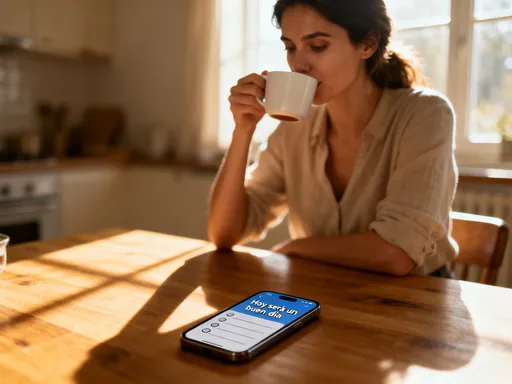
It started with a quiet realization, not a dramatic moment. I was sitting in my kitchen one morning, coffee in hand, waiting for the toaster. I reached for my phone—just to check the weather, I told myself. But ten minutes later, I was deep in a thread about celebrity gossip I didn’t care about, and the toast was burnt. This wasn’t the first time. These little moments were happening all day: while folding laundry, during my daughter’s piano practice, even in the five minutes before bed. I wasn’t being pulled by urgency—I was just reaching, automatically, like muscle memory.
At first, I didn’t think much of it. We all do it, right? But over time, I began to notice something deeper was missing. I used to love reading before bed—real books, not articles on a screen. I’d finish one every few weeks, underline passages, even write notes in the margins. Now? I couldn’t remember the last time I’d read more than a few pages without getting distracted. I missed the feeling of finishing something, of having my mind stretched by new ideas. I missed thinking quietly, without a buzz or a ping pulling me away.
Then came the night that changed everything. I was reading an article about mindful parenting—something I genuinely wanted to learn more about. I got halfway through, put my phone down to answer a question from my son, and when I picked it back up, I opened it again… and again… and again. I had no idea where I’d left off. I wasn’t even on the same article anymore. I had somehow clicked through three different versions of the same topic, none of which I could recall clearly. That’s when it hit me: I wasn’t learning. I was just moving my eyes across a screen. My phone wasn’t helping me grow—it was quietly stealing my attention, one scroll at a time.
So I decided to track it. I turned on screen time tracking and set a reminder to check in every night for 30 days. No judgment, just observation. What I found was shocking. On average, I was spending over four hours a day on my phone. And the worst part? Most of it wasn’t even intentional. It was in tiny bursts—five minutes here, eight there—so small they didn’t feel like much in the moment. But together, they added up to more than a full workday every week. That’s 11 hours a week I could have spent reading, learning, talking to my family, or just breathing. I wasn’t just losing time. I was losing my ability to think deeply, to remember, to feel present.
Why We Think We’re Learning (But Actually Aren’t)
We tell ourselves we’re being productive. “I read a lot of articles,” we say. “I stay updated.” But here’s the truth: skimming is not learning. And yet, so many of us confuse the two. I used to believe that reading ten headlines about healthy eating meant I was becoming more informed. But weeks later, I couldn’t remember a single tip. Was it more vegetables? Less sugar? Something about intermittent fasting? It all blurred together because I never stopped to reflect, to connect the dots, to make it stick.
Real learning isn’t about volume—it’s about retention. It’s about being able to recall an idea days later, to apply it in your life, to share it with someone else and explain why it matters. Think about the last time you learned something that truly changed your behavior. Maybe it was a tip about reducing screen time for your kids, or a new way to organize your pantry. Chances are, you didn’t learn it from a 30-second video. You probably read it in a book, heard it in a conversation, or tried it out over time. That’s how knowledge sticks: through repetition, reflection, and personal connection.
But our phones are designed to prevent that. They reward quick taps, endless scrolling, and instant gratification. The more time we spend, the more data platforms collect. So they keep us just engaged enough to stay, but never focused enough to learn. We end up in a cycle: open the app, scan a few lines, get distracted by a notification, jump to something else. Our brains are busy, yes—but they’re not engaged. It’s like running on a treadmill: a lot of effort, but no real progress.
I started to see how this was affecting more than just my reading habits. I felt mentally foggy. I’d walk into a room and forget why. I’d start a sentence and lose my train of thought. I wasn’t sleeping as well. And I felt this low-level anxiety, like I was always behind—on the news, on trends, on parenting advice. But the truth? I wasn’t behind. I was just overwhelmed by noise. I was consuming information like snacks—constant, sugary, unsatisfying—instead of sitting down to a real meal. I needed a way to separate the signal from the noise. And that’s when I found the app that changed everything.
How One App Changed My Relationship with Information
I won’t lie—I was skeptical at first. I’d tried productivity apps before. Some blocked websites, others tracked my time with colorful charts. But none of them actually helped me learn. They just made me feel guilty for using my phone. What I needed wasn’t restriction—it was redirection. I wanted to use my phone in a way that supported my goals, not fought against them.
Then I found an app that worked differently. It wasn’t about locking me out or shaming me for my habits. Instead, it invited me to save the things I found interesting—articles, videos, quotes—and come back to them later. With one tap, I could save content directly from my browser or social media. No copying links, no emailing them to myself, no forgotten bookmarks. It felt effortless. But the real magic was in what happened next.
The app organized everything automatically. It used smart tags to group similar ideas—so if I saved something about mindfulness, it would appear with other articles on focus, stress reduction, or parenting. It even suggested related content, not random clickbait, but thoughtful pieces that deepened my understanding. And every morning, it sent me a gentle reminder: “Review one thing you saved yesterday.” Just one. Not a mountain of content—just a single idea to reflect on.
At first, I didn’t think much of it. But over time, something shifted. I started to notice that I could remember what I read. I’d be in a conversation with a friend and think, “Oh, I read something about that last week.” And I could actually explain it. Not vaguely, not in buzzwords, but clearly, because I’d taken the time to revisit it. I began applying ideas—like using a five-minute breathing exercise before responding to a stressful email, or trying a new meal prep method I’d saved. These weren’t big changes, but they added up.
The app didn’t just help me save information—it helped me make it mine. Instead of forgetting an article by lunchtime, I was building a personal library of insights. And because I was reviewing regularly, my brain started to trust the process. I didn’t feel the pressure to remember everything in the moment. I knew I could come back to it. That small shift—trusting the system—freed up so much mental space. I wasn’t trying to hold everything in my head anymore. I was learning again.
Building a Personal Knowledge System That Fits Real Life
Here’s the thing: no system works if it’s too complicated. I’ve tried apps that required tagging, rating, summarizing—more work than the actual learning. That’s not sustainable when you’re juggling school pickups, dinner plans, and laundry piles. What made this different was how simple it was to use—like a digital notebook that actually worked with my life, not against it.
I started small. Every morning, while my coffee brewed, I’d spend ten minutes reviewing what I’d saved the day before. I didn’t read everything—just one or two pieces that stood out. Sometimes I’d add a short note: “Try this with the kids” or “Ask Sarah about this.” It wasn’t about perfection. It was about consistency. Over time, this became a ritual—a quiet moment to myself before the day began.
At night, I made it a habit to save just one thing before bed. It could be an article, a recipe, a quote—anything that felt meaningful. I called it my “one gem a day” rule. It kept me from mindlessly scrolling, because I knew I only needed to save one thing. And if I found something great, I could always come back to it later. This tiny habit changed how I used my phone in the evening. Instead of doomscrolling, I was curating.
On Sundays, I’d do a quick weekly reflection. I’d look through what I’d saved and ask myself: What stood out? What do I want to try? What can I let go of? It only took 15 minutes, but it helped me see patterns. I noticed I was saving a lot about mindfulness and time management—clear signs of what I really cared about. I wasn’t just collecting information. I was discovering what mattered to me.
The key was designing the system around my life, not the other way around. I didn’t need to spend more time on my phone. I just needed to use it with intention. And because the app made it easy, I stuck with it. It wasn’t about willpower. It was about creating a path of least resistance toward the habits I wanted.
From Information Overload to Clear Thinking
One of the most surprising benefits was how much calmer my mind felt. I used to wake up anxious, thinking I’d missed something important overnight. I’d check the news, social media, group chats—anything to catch up. But now, I don’t feel that pressure. I know I’m not missing out because I’m not trying to absorb everything. I’m choosing what to engage with.
When I save an article, I’m not just collecting it—I’m deciding it’s worth my time later. That simple act of selection creates focus. I’m no longer reacting to every notification or trending topic. I’m in control. And that has made a huge difference in my mental clarity.
I’ve also noticed I trust my memory more. Before, I’d forget names, appointments, even what I’d read five minutes ago. Now, I don’t panic when I can’t recall something. I know I can check my saved notes. It’s like having a second brain—one that’s organized, reliable, and always there when I need it. That sense of security has reduced my anxiety more than I expected.
And here’s something I didn’t anticipate: I’m thinking more deeply. Because I’m not constantly interrupted, I can follow an idea all the way through. I’ll read an article, save it, reflect on it the next day, and then connect it to something else I’ve learned. That’s where real insight happens—not in a single moment, but in the space between ideas. My phone, once a source of distraction, has become a tool for reflection.
Sharing Knowledge Without the Noise
One of the sweetest surprises was how this helped my relationships. I used to forward links all the time—“You have to read this!”—but I never knew if they were useful or just adding to the noise. Now, when I share something, it’s because I’ve actually engaged with it. I can say, “I read this last week, and it made me think of you,” or “I tried this tip, and it really worked.” That makes a difference.
My sister was the first to notice. She asked why I seemed more present during our calls. I told her about the app, and she decided to try it too. Now, we have a little ritual: every Sunday, we exchange one insight we saved that week. Sometimes it’s parenting advice, sometimes a recipe, sometimes just a beautiful quote. It’s not about impressing each other. It’s about staying connected in a meaningful way.
Even with my kids, I’ve noticed a change. I used to say, “I read something about that,” and then forget what it was. Now, I can pull up a saved article about screen time for teens or a fun science experiment to try at home. I feel more confident as a parent because I know I have resources I can trust.
Technology, when used mindfully, doesn’t have to divide us. It can actually bring us closer—by helping us share what matters, not just what’s viral. It’s not about posting or performing. It’s about connection, one thoughtful idea at a time.
How Small Shifts Create Lasting Change
I didn’t transform overnight. There were days I forgot to review, weeks I saved nothing, moments I fell back into old scrolling habits. But what mattered was that I kept coming back. I didn’t need to be perfect. I just needed to be consistent.
Looking back, it wasn’t one big change that made the difference. It was the tiny choices: saving instead of scrolling, pausing to reflect, trusting my system. These small acts added up to something powerful—a sense of agency over my time, my attention, my mind.
Today, my phone feels different. It’s no longer a time thief or a source of guilt. It’s a partner in my growth. I use it to learn, to remember, to connect. I’ve reclaimed 11 hours a week—not by deleting apps or going off-grid, but by using one tool to make my habits more intentional.
If you’re feeling overwhelmed by your screen time, I want you to know: you don’t have to give up your phone. You just need to change your relationship with it. Start small. Save one thing today. Review it tomorrow. Build a system that works for you. Because real knowledge isn’t found in endless scrolling. It’s found in the quiet moments of reflection, in the ideas that stay with you, in the changes you make one day at a time. And that? That’s worth reclaiming.