From Guesswork to Guidance: How Fresh Produce Delivery Quietly Transformed My Family’s Health
Ever caught yourself staring into the fridge, wondering what to cook—again? I used to stress about meals, overbuy groceries, and watch veggies wilt. Then fresh produce delivery entered my life, not as a luxury, but as a quiet partner in health. Paired with simple tracking tools, it didn’t just feed us—it helped me see our habits, adjust rhythms, and care for my family in a whole new way. What started as a small experiment became a steady rhythm in our home: no more rushed trips to the store, no more guilt over spoiled spinach, and definitely no more 7 p.m. panic about dinner. Instead, there was color, consistency, and a surprising sense of calm. This isn’t about high-tech gadgets or complicated diets. It’s about how one simple change—reliable, fresh food showing up when we needed it—opened the door to better choices, more energy, and a deeper connection to how we live.
The Daily Dilemma: When Grocery Shopping Becomes a Source of Stress
Let’s be honest—how many of us have stood in the grocery store parking lot, staring at our phones, trying to remember what was on the list? Or worse, walking the aisles after a long day, picking up things we don’t really need just because they’re easy? I used to do that all the time. My cart would fill with convenience foods, last-minute snacks, and the occasional impulse buy—usually something with too much sugar or salt. And the fresh produce? It often ended up forgotten in the back of the fridge, turning brown or limp by midweek. I wasn’t alone. So many of us are caught in this cycle: busy schedules, mental fatigue, and the constant pressure to make healthy choices without the time or energy to follow through.
What made it worse was the guilt. I wanted to feed my family well—nutritious meals made from real ingredients—but the reality was far from that ideal. Weekends meant chaotic meal prep sessions where I’d overbuy, under-plan, and end up throwing half of it away. By Wednesday, we’d be eating frozen leftovers or takeout, not because we didn’t care, but because the system wasn’t working. I started to notice how much this affected my mood, too. The frustration of wasted food, the stress of last-minute decisions, and the feeling of failure when yet another bunch of cilantro turned into science experiments in Tupperware—it all added up. It wasn’t just about food. It was about how overwhelmed I felt trying to keep everything together.
Looking back, I realize how much decision fatigue played a role. Every choice—what to cook, what to buy, what to pack for school lunches—drained a little more energy. And when you’re already tired, the easiest path wins. That’s why I kept falling into the same patterns. I wasn’t lazy or careless. I was just running on empty. What I needed wasn’t another diet plan or a fancy kitchen gadget. I needed something that made healthy eating easier, not harder. Something that fit into my real life, not a perfectly curated Instagram post. And that’s when I started to wonder—what if the food could come to me?
A New Rhythm: Discovering Fresh Produce Delivery Platforms
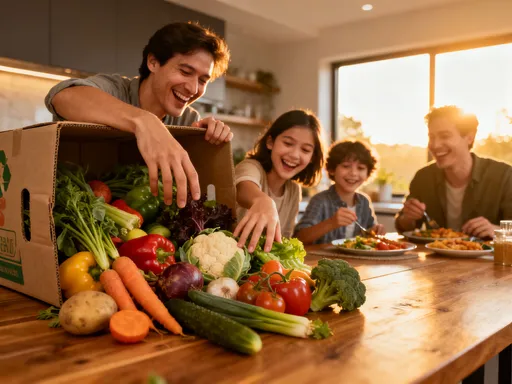
I’ll never forget the first time I signed up for a fresh produce delivery service. I wasn’t expecting a revolution—just a little help. But when that first box arrived at my doorstep, something shifted. It was like opening a gift. Bright red tomatoes, crisp green beans, fragrant basil, and a few things I’d never seen before—purple carrots, maybe, or a knobby little kohlrabi. There was no plastic-wrapped, uniform produce here. This was alive, colorful, and seasonal. I remember calling my daughter over and saying, “Look what came today!” She reached in and pulled out a yellow pepper, turning it over like it was a treasure. That moment felt different. It wasn’t just food. It was possibility.
What surprised me most was how much easier it made decision-making. No more staring at empty shelves or wondering what was in season. The box arrived on the same day every week, like clockwork. It became a rhythm—a touchstone in our week. I started planning meals around what was inside, rather than forcing ingredients into a rigid menu. And because the portions were just right, there was no overbuying. No more “I’ll use this someday” mentality. Everything had a purpose. I noticed I was cooking more, too. Not because I had to, but because I wanted to. The ingredients inspired me. That kohlrabi? We roasted it with olive oil and garlic. The basil? Fresh pesto in five minutes. The food wasn’t just fresh—it was inviting.
But beyond the meals, there was something deeper. I felt more in control. The delivery didn’t just bring food—it brought structure. I didn’t have to squeeze in a trip to the store after work or drag the kids through crowded aisles. That hour back in my week became mine again. I could use it to cook, to rest, or just to breathe. And because the service offered options—organic, local, customizable—I could tailor it to our needs without extra effort. It wasn’t about perfection. It was about consistency. And consistency, I was learning, was the real secret to lasting change.
From Fridge Guilt to Food Confidence
One of the most unexpected shifts was how I started to feel about food. I used to open the fridge with dread—half-empty shelves, wilted greens, containers I couldn’t remember what was inside. Now, I open it and feel a quiet sense of pride. The crisper drawer is full of color. The fruit bowl stays stocked. There’s no more guilt over waste, because we’re actually using what we have. I’ve even started composting the scraps, which feels like a small win for the planet and my conscience. But more than that, I’ve gained confidence. I trust that we’ll eat well, not because I’m superhuman, but because the system supports us.
This confidence spilled over into how we cook together. My kids started getting curious. “Can we make soup with those sweet potatoes?” my son asked one week. Another time, my daughter grabbed a handful of spinach and said, “Can we blend this into our smoothie?” No nagging. No bribes. Just genuine interest. I realized that when healthy food is visible, accessible, and normal, kids don’t resist it—they explore it. We started having more conversations about where food comes from, what it does for our bodies, and how good it tastes when it’s fresh. These weren’t lectures. They were moments of connection, sparked by a simple box of vegetables.
I also noticed how much more creative I became in the kitchen. Without the pressure to use up random ingredients, I could focus on flavor and balance. I tried new recipes, mixed and matched what came in the box, and even started batch-cooking on Sundays. That leftover quinoa? It became a grain bowl with roasted veggies. The extra apples? Baked with cinnamon and oats. Nothing went to waste. And because the produce was so fresh, even simple meals tasted better. I wasn’t just feeding my family—I was nourishing them. And that made all the difference.
Health Tracking Meets Real Life: Seeing Patterns Without Obsession
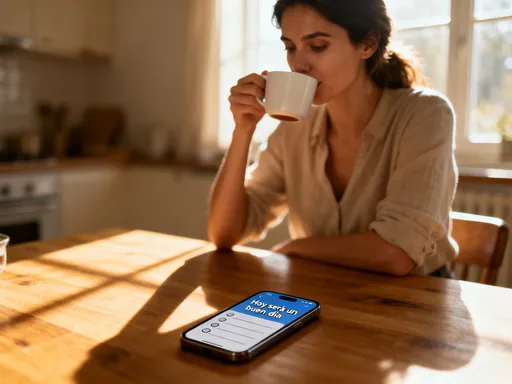
Here’s something I didn’t expect: I started paying attention to how I felt. Not in a rigid, numbers-obsessed way, but in a gentle, curious way. I downloaded a simple wellness app—not to count calories or track every bite, but to log how I was doing each day. Energy levels, mood, sleep quality, digestion. At first, it felt a little silly. But after a few weeks, patterns started to emerge. On days when we ate more greens, I had more energy in the afternoon. When we skipped breakfast or relied on processed snacks, I felt sluggish by 3 p.m. My daughter, who used to get cranky after school, seemed calmer on days when her lunch included fresh fruit and whole grains.
The app didn’t judge me. It didn’t send alarms or tell me I failed. It just showed me data—gentle nudges, really. And when I paired that with our produce delivery, the connection became clear. More variety in the box meant more variety in our meals. More variety in our meals meant better balance. It wasn’t about eating perfectly every day. It was about consistency over time. I started to see food not as a source of guilt, but as information. What we ate shaped how we felt. And that realization was powerful.
What I loved most was that this wasn’t complicated. I didn’t need a nutrition degree or a fitness tracker. I just needed to notice. The app helped me see what I might have missed otherwise—like how much better I slept after a dinner rich in vegetables, or how my skin looked clearer when we drank more water and ate more colorful produce. These weren’t dramatic changes. They were subtle, but they added up. And because the tracking was low-pressure, it didn’t feel like another chore. It felt like self-care. I wasn’t chasing a number on a scale. I was learning to listen to my body—and that was a gift.
Syncing Life and Nutrition: Building a Sustainable Routine
One of the biggest wins was how everything started to sync up. Our produce delivery day became the anchor of our week. Monday was grocery day, so Sunday night I’d check the delivery schedule and plan meals accordingly. Tuesday and Wednesday? Cooked-ahead lunches and easy dinners. Thursday and Friday? Leftovers and simple plates. It wasn’t rigid, but it gave us a rhythm. I wasn’t making decisions in the moment—I was planning ahead, with calm and clarity. And because the kids knew what to expect, they were more cooperative, too. “Is it veggie box day?” my son would ask on Monday morning. When I said yes, he’d smile. He knew it meant something good was coming.
This rhythm extended beyond meals. I started aligning other habits with it—like morning smoothies, weekly meal prep, even family walks after dinner. Because we weren’t scrambling for food, we had more time and energy for other things. My husband, who used to skip lunch at work, started taking leftovers in a reusable container. My daughter began packing her own school snacks, choosing apple slices over chips. These weren’t huge changes, but they stuck because they fit into our flow. Technology didn’t control our lives—it supported them. The delivery service handled the logistics. The app helped me notice patterns. And I got to focus on what mattered: being present, cooking with love, and enjoying meals together.
What made this sustainable was that it didn’t demand perfection. Some weeks, we were busier than others. Some boxes sat longer than they should have. But because the system was flexible, we could adapt. I could pause delivery during vacations. I could swap items if someone was sick. There was no pressure to keep up. Just gentle consistency. And over time, that consistency became a habit—a quiet, reliable part of our lives, like brushing our teeth or making the bed. It wasn’t about being flawless. It was about showing up, day after day, with a little more ease.
Beyond the Box: Unexpected Gains in Well-being and Connection
The benefits went far beyond the kitchen. We started eating together more—real meals, at the table, without screens. Conversations flowed. We talked about school, work, dreams, even the funny shape of that week’s zucchini. These moments weren’t planned. They just happened because we weren’t rushing, stressed, or distracted. Food became a bridge, not a burden. I remember one night, halfway through dinner, my daughter looked up and said, “We eat so many vegetables now.” I laughed and said, “I know. Did we always eat this many carrots?” We both thought about it. The answer was no. But it didn’t feel like a sacrifice. It felt like a natural part of how we lived.
I also noticed a shift in how I felt about myself. I wasn’t just a mom, a wife, a worker. I was someone who cared—for my family, for my health, for our home. That sense of purpose mattered. It wasn’t about looking a certain way or fitting into old jeans. It was about feeling strong, clear, and capable. I had more energy. I slept better. I worried less about food decisions because the system was already in place. And that freed me up to focus on other things—like reading before bed, taking a yoga class, or just sitting quietly with a cup of tea.
There was also a deeper awareness of seasonality and sustainability. I started noticing what grew when. Strawberries in spring. Pumpkins in fall. Apples in winter. It connected me to the natural world in a way I hadn’t felt in years. I taught my kids about it, too—how food has a rhythm, just like we do. We even started a small herb garden on the windowsill. Nothing fancy—just basil, mint, and parsley. But growing something, even a little, made us feel more connected to our food. It wasn’t just about convenience. It was about meaning.
A Calmer, Clearer Life: Why Small Tech Shifts Matter Most
Looking back, I realize how much changed—not because of a dramatic overhaul, but because of small, thoughtful choices. Fresh produce delivery didn’t fix everything. It didn’t erase stress or solve every health challenge. But it created space—space to breathe, to choose, to care. Paired with a simple tracking app, it helped me see what was working and what wasn’t, without judgment. It wasn’t about chasing perfection. It was about progress. And progress, I’ve learned, is made in tiny steps.
What I value most is the calm. I don’t dread mealtime anymore. I don’t feel guilty about waste. I don’t spend hours in the grocery store. Instead, I have more time, more energy, and more joy in the everyday. My family eats better, not because I’m a gourmet chef, but because good food is within reach. We’re more connected, not because we forced it, but because we created conditions for it to happen. Technology didn’t replace human care—it made it easier to give.
If you’re feeling stuck in the same cycle—rushed, overwhelmed, unsure where to start—know this: you don’t need a complete reset. You just need one small change that supports you. Maybe it’s a produce delivery. Maybe it’s a simple app. Maybe it’s just pausing to notice how you feel after a meal. These aren’t flashy solutions. They’re quiet ones. But sometimes, the quietest shifts make the loudest difference. For me, it started with a box of vegetables. For you, it might start with something even smaller. And that’s okay. Because real change isn’t loud. It’s steady. It’s kind. It’s human. And it’s already within your reach.