Tested 7 Booking Apps While Working From Home: This One Filled My Wait Time Perfectly
You know that gap between finishing a work call and boarding your flight? I used to just scroll mindlessly. Then I started testing travel apps while managing remote work. One didn’t just book hotels—it turned downtime into productive, calm moments. It learned my preferences, suggested relaxing stays, and even helped me plan mini resets. This isn’t about tech for tech’s sake. It’s about tools that fit seamlessly into real life, making waiting feel like part of the journey. And honestly, I didn’t expect to feel calmer by booking a hotel—but here we are.
The Hidden Gaps in a Remote Worker’s Day
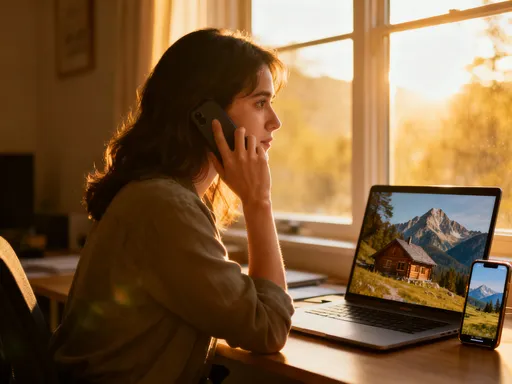
When you work from home, time doesn’t always feel like yours. Sure, you skip the commute and wear comfy clothes, but the day blurs in a way you don’t notice at first. A meeting ends early. Your child’s school pickup gets delayed. You finish a report and suddenly realize you have 22 minutes before the next Zoom. These gaps used to leave me restless. I’d grab my phone and fall into the scroll hole—social media, news, anything to fill the silence. But instead of feeling refreshed, I’d come out more tired, my mind buzzing with fragments of other people’s lives.
Then I started asking: what if these moments weren’t empty? What if they were actually gifts—tiny windows where I could pause, breathe, or even plan something for myself? I’ve always loved traveling, but between managing the house, work deadlines, and family needs, planning trips felt like another chore. That’s when I decided to try something different: using my wait times to explore travel apps. Not to book right away, but to just look. To dream a little. To see if technology could help me reclaim those stolen minutes—not by doing more, but by feeling more.
At first, it didn’t work. The apps were too loud, too pushy. They showed me flashy deals I didn’t want and asked too many questions. But then I realized: the problem wasn’t the apps—or me. It was the mismatch. I wasn’t looking for a sale. I was looking for a moment of peace, a spark of inspiration, a quiet way to reconnect with what I love. And eventually, I found an app that didn’t treat me like a customer. It treated me like a person.
How Waiting Time Became My Most Useful Window
I used to think waiting was the opposite of productivity. If I wasn’t typing, cooking, or folding laundry, I was wasting time. But over the past year, I’ve changed my mind. Waiting isn’t empty. It’s space. And space can be shaped. The moment I stopped seeing those in-between times as lost, everything shifted. I began to treat them like mini-breaks—chances to close my eyes, sip tea, or just look out the window. But I also wanted something that felt meaningful, something that didn’t leave me feeling scattered.
That’s when I started using booking apps not just to plan trips, but to plan calm. Instead of rushing through a search for flights, I’d take five minutes after a work call to explore stays. Not because I was leaving next week, but because browsing peaceful cabins, quiet beach houses, or cozy mountain inns gave me a sense of hope. It reminded me that rest is possible. That I deserve it. And the best part? The app I eventually found didn’t make me work for it. While I waited for a confirmation email or a flight update, it would quietly suggest a place that matched what I love—natural light, soft linens, a view of trees, no crowds.
One afternoon, after a long client call, I clicked to check flight prices. While the screen loaded, the app showed me a small cottage near a lake, with a porch swing and fast Wi-Fi. It wasn’t on my radar, but it felt right. I didn’t book it that day—but I saved it. And just seeing it made me exhale. That’s when I realized: waiting doesn’t have to be passive. It can be a moment of care. It can be where you remember who you are, beyond the to-do list.
Testing 7 Apps: What Actually Worked (and What Didn’t)
I’ll be honest—I didn’t plan to test seven apps. It started with curiosity. I downloaded one because a friend mentioned it. Then another because it was on sale. Soon, I was comparing how they felt, not just how they worked. I used them during real moments: while waiting for my daughter’s virtual class to start, between meetings, during lunch prep. I wasn’t just looking for speed or low prices. I wanted to know: did this app make me feel better? Did it respect my time? Did it understand me?
Three of them were fast but cold. They gave me results, but no soul. One showed me luxury villas with infinity pools—beautiful, yes, but completely out of reach. It made me feel worse, like I was being teased with a life I couldn’t have. Another bombarded me with pop-ups: “Book now!” “Last chance!” “Only one room left!” It felt like being shouted at in a crowded mall. I’d close the app and feel more stressed than before.
Two others were overloaded with options. Endless filters, star ratings, reviews, photos. I’d spend ten minutes trying to decide between two nearly identical hotels and end up closing the app, overwhelmed. I didn’t want analysis paralysis. I wanted clarity. I wanted simplicity.
Then there was the one. It didn’t load fastest. It didn’t have the most deals. But it felt different. It didn’t ask me to do anything. It didn’t shout. It learned. It remembered I skipped city stays. It noticed I saved places with gardens or mountain views. It began to suggest those. It didn’t push. It offered. And in those quiet suggestions, I found peace. That’s the one I kept coming back to.
The App That Felt Like It Knew Me
It sounds strange to say an app “knew” me. But this one did—in the way a good friend does. Not by remembering my birthday or favorite color, but by understanding my rhythm. It knew I worked best in the morning, so it didn’t send me push notifications then. It learned I liked to browse in the late afternoon, so it would quietly prepare new suggestions by 4 p.m. It noticed I always saved places with Wi-Fi, a comfortable workspace, and natural light. Not because I told it, but because it watched how I used it.
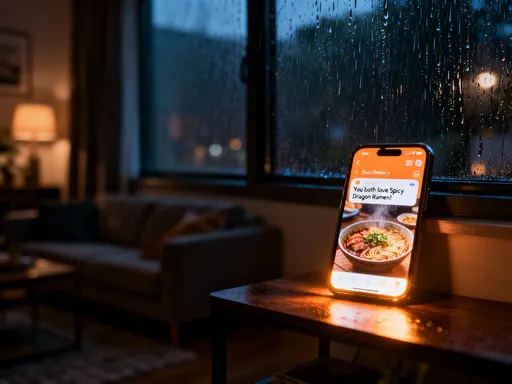
One day, after I canceled a meeting, I opened the app just to pass time. Instead of showing me random deals, it displayed a small forest cabin with large windows, a wood stove, and a hiking trail nearby. It said: “Perfect for a weekend reset.” I hadn’t searched for anything. I hadn’t said I was stressed. But the app seemed to know. And in that moment, I didn’t feel like a user. I felt like a person who was seen.
That’s the magic of good technology. It doesn’t impress you with features. It doesn’t make you feel behind. It simply fits. It supports. It remembers what matters to you and brings it forward when you need it most. This app didn’t just help me book stays—it helped me remember what I value: quiet, nature, simplicity, space to breathe. And that made all the difference.
Turning Booking Time into “Me Time”
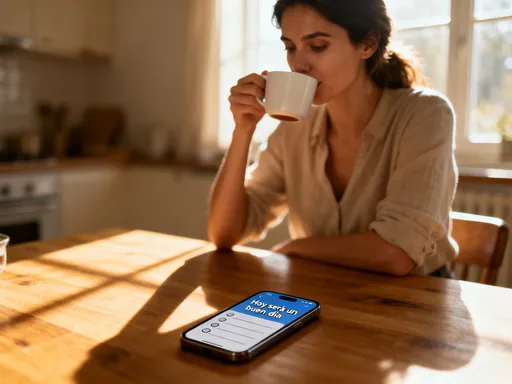
I used to think “me time” meant a long bath, a face mask, or a solo coffee run. And those are lovely. But for someone like me—juggling work, family, and a never-ending list—those moments are rare. So I started redefining “me time.” Now, it can be ten minutes at my kitchen table with my laptop, exploring peaceful places. I call it my “booking ritual.” Every Friday, I take 15 minutes to browse. Not to book. Just to look. To imagine. To remember that I’m more than my responsibilities.
The app has become part of this ritual. It doesn’t demand anything. It doesn’t rush me. It offers gentle suggestions—like a friend saying, “Hey, this might be up your alley.” I save places I love, even if I never go. It’s not about the destination. It’s about the feeling. The hope. The reminder that rest is not a reward for finishing everything. It’s a part of living well.
One morning, after a tough week, I opened the app and saw a seaside cottage with a reading nook and a view of the waves. I saved it. Then I closed my eyes and just breathed for a minute. I didn’t book it. I didn’t need to. Just seeing it helped me reset. That’s when I realized: booking isn’t just about travel. It can be a form of self-care. A way to honor your need for peace, even when you can’t leave home.
How This Changed My Work-From-Home Rhythm
My days feel different now. More balanced. More intentional. I still have busy stretches, missed deadlines, and chaotic mornings. But I’ve learned to weave small moments of calm into the chaos. Instead of reaching for my phone when a meeting ends early, I open the app. Not to escape, but to center. To reconnect with what matters.
It’s changed how I work, too. I’m less reactive. I don’t jump from task to task like I’m being chased. I take breaths. I pause. I let myself look at a quiet inn in the woods, even if I’m not going there next month. And strangely, that helps me focus better when I return to work. It’s like my mind gets a mini reset. A soft reboot.
I’ve also started planning real trips—short ones, close to home. A night in a countryside B&B. A weekend by the lake. But even when I don’t travel, the act of browsing helps me feel more in control. It reminds me that I have choices. That I can create peace, even in small ways. And that’s powerful.
Why the Right Tech Feels Invisible
The best tools don’t make noise. They don’t flash. They don’t demand your attention. They simply work—with you, not against you. This app didn’t change my life with a big feature or a viral ad. It changed it by being quiet, consistent, and kind. It respected my time. It learned my preferences. It offered support without pressure.
In a world that’s always shouting—“Buy now!” “Hurry!” “Don’t miss out!”—it felt like a breath of fresh air. It reminded me that technology doesn’t have to be overwhelming. It can be gentle. It can serve your life instead of stealing from it.
And that’s the truth I’ve come to love: waiting doesn’t have to be wasted. It can be where you reconnect. Where you dream. Where you remember what you need. The right tech doesn’t fill the silence. It helps you enjoy it. It turns a gap in your day into a moment of care. And sometimes, that’s exactly what we need—not more to do, but more space to be.