From Exhausted to Energized: How Smart Habits Transformed My Sleep (and Can Transform Yours Too)
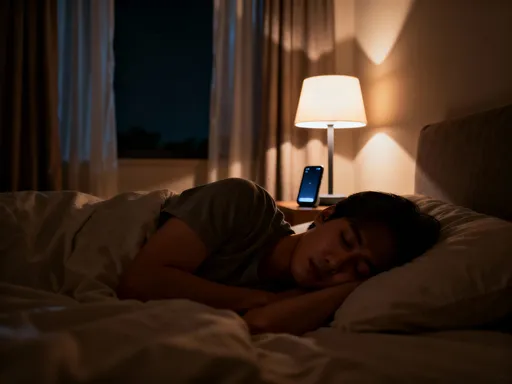
Ever lie in bed, tired but wired, staring at the ceiling while your phone glows beside you? I’ve been there—drained, irritable, and stuck in a cycle of late nights and groggy mornings. It wasn’t just lack of sleep; it was my rhythm that was broken. Then I discovered how small, smart tech-backed habits could gently reset my body clock. No extreme rules, no willpower battles—just simple, life-friendly shifts that made rest feel natural again. And the best part? You don’t need to be a tech expert or a wellness guru. You just need to start where you are, with what you’ve got.
The Nightly Struggle: When Your Body Clock Works Against You
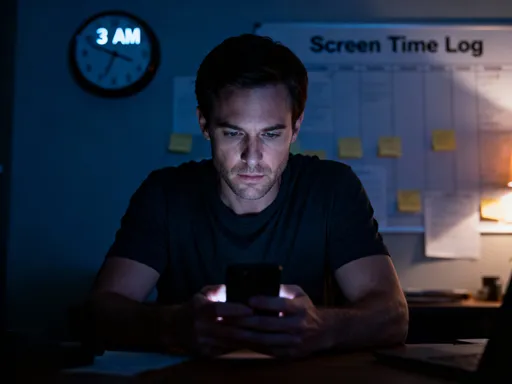
Let’s be honest—how many of us truly feel rested? I used to think exhaustion was just part of being a busy woman, a mom, a partner, a worker. I’d tell myself, “This is just how it is,” while chugging coffee by 10 a.m. and scrolling through emails in bed at midnight. My kids would be asleep, the house finally quiet, and instead of winding down, I’d feel this strange burst of energy—like my brain had decided it was time to catch up on everything I didn’t finish during the day.
Sound familiar? You're not lazy. You're not failing. You're just caught in a rhythm that doesn’t serve you. The problem isn’t that we don’t want to sleep—it’s that our environment, our habits, and yes, our devices, have quietly rewired our natural instincts. Our bodies are built to follow light and dark, activity and rest, but modern life blurs those lines. We work late under artificial light, check messages in bed, and binge shows when we should be slowing down. Over time, our internal clock gets confused—like a watch set to the wrong time zone.
And the cost? More than just dark circles. Poor sleep chips away at your mood, your focus, your patience. It makes you snap at your kids over spilled cereal. It makes you forget appointments. It dulls your joy. I remember one Saturday morning, my daughter asked me to build a Lego castle with her. I said yes, but halfway through, I zoned out, overwhelmed by how much I still had to do. I missed a moment I’ll never get back. That’s when I knew something had to change—not just for my health, but for my life.
Why Willpower Isn’t Enough: The Science of Habit and Circadian Rhythms
We’ve all tried the “just go to bed earlier” fix. And we’ve all failed. Why? Because willpower is like a battery—it runs out. You might succeed Monday and Tuesday, but by Wednesday, after a long day, one more email, one more episode, you’re back to square one. The truth is, motivation fades. What lasts is systems—small, automatic habits that work with your biology, not against it.
Our bodies run on circadian rhythms, which is just a fancy way of saying our internal 24-hour clock. Think of it like a sleep thermostat. When it’s set right, you feel alert in the morning and sleepy at night. But when it’s thrown off—by late screen time, irregular schedules, or stress—your body doesn’t get the signal that it’s time to wind down. Melatonin, the sleep hormone, is supposed to rise in the evening, but blue light from phones and tablets can delay that by up to two hours. That’s why you feel “tired but wired.” Your body is ready for rest, but your brain is still in daytime mode.
The good news? You don’t need to fight biology. You can work with it. And that’s where smart, gentle technology comes in—not to distract you, but to guide you. Tools like automatic lighting, bedtime reminders, and sleep tracking aren’t about control. They’re about creating an environment where good habits happen naturally. Instead of relying on discipline, you design your day so that sleep becomes the easy choice, not the hard one.
One of the biggest shifts for me was realizing I didn’t need to “try harder.” I needed to make it easier. And that starts with understanding your rhythm, not fighting it.
The Right Tools, Not More Discipline: Choosing Tech That Serves You
Let’s talk about tech—not the kind that keeps you up, but the kind that helps you let go. I used to think smart devices were just for younger people, for gamers or tech geeks. But I’ve learned that the right tools can be like quiet helpers in the background, making life a little smoother without demanding your attention.
Start simple. One of the first things I did was set a bedtime reminder on my phone—not a harsh alarm, but a gentle notification that said, “Time to start winding down.” I set it for 9:00 p.m., an hour before I wanted to be asleep. At first, I ignored it. But over time, that little chime became a signal—a nudge to close the laptop, put the phone down, and begin my evening ritual. It wasn’t about being perfect. It was about creating a cue.
Then I added smart lighting. I didn’t buy anything fancy—just a set of adjustable bulbs that I could control from my phone. Every evening at 8:00 p.m., they automatically dim and shift to a warmer tone, like sunset light. It sounds small, but it made a big difference. Our brains respond to light, and that warm glow tells my body, “Hey, it’s time to slow down.” My kids even noticed. “Mom, the lights are sleepy now,” my youngest said one night. And it’s true—they were.
Another favorite? A wind-down playlist. I created one called “Calm & Cozy” with soft piano music and nature sounds—gentle rain, distant waves. I set it to play automatically at 9:15, right after my reminder. No decision-making, no effort. Just press play and breathe. Sometimes I read, sometimes I journal, sometimes I just lie there and listen. The music doesn’t put me to sleep, but it creates a peaceful space that makes sleep possible.
The key is choosing tools that fit your life, not complicate it. You don’t need every gadget. Just one or two that support your rhythm. And remember: tech isn’t the enemy. It’s how we use it that matters.
Designing Your Wind-Down Routine: Small Steps, Big Shifts
Now let’s talk about your routine. I used to think a bedtime ritual meant candles, face masks, and 20 minutes of meditation—things I just didn’t have time for. But a wind-down routine doesn’t have to be perfect. It just has to be consistent. And it can be as simple as three small steps.
Here’s what worked for me: First, a screen curfew. I set mine for 8:30 p.m. That means no phones, tablets, or TV after that time. I know—easier said than done. But I started small. At first, I just moved it 15 minutes earlier each week. Now, by 8:30, my phone goes into another room, on silent. I keep a notebook by the bed for any last thoughts or to-do lists, so I don’t feel like I’m losing track of things.
Second, I created a physical transition. After screen time ends, I do something calming—like sipping herbal tea, folding laundry, or reading a book with real pages. It doesn’t matter what it is, as long as it signals to your brain: “The busy part of the day is over.” My husband and I now have a little ritual where we both say, “Goodnight mind,” even if we’re not going to bed yet. It sounds silly, but it helps us both shift gears.
Third, I added a breathing exercise. Just four minutes. I use a free app that guides me through box breathing—inhale for four, hold for four, exhale for four, hold for four. It’s not magic, but it calms my nervous system. On stressful nights, it’s the difference between lying there replaying the day and actually relaxing.
And here’s the thing—your routine doesn’t have to look like mine. Maybe yours includes a short walk after dinner, or a gratitude journal, or a warm shower. The point is to create a sequence of small, predictable actions that tell your body, “It’s almost time to rest.” It’s not about adding more to your plate. It’s about making space for peace.
Making It Stick: How to Build Habits Without Burning Out
Let’s be real—change is hard. Even with the best tools and intentions, life happens. You have a late meeting. The kids are sick. You forget your routine. That’s okay. In fact, it’s normal. The goal isn’t perfection. It’s progress.
One strategy that helped me was habit stacking—linking a new habit to one I already do. For example, I always brush my teeth at night. So I added my breathing exercise right after. Now, brushing my teeth cues the breathing, and that cues the bedtime playlist. It’s like a chain reaction of calm.
Another tip? Design your environment. I keep my phone charger in the kitchen now, not the bedroom. That simple change removes temptation. I also leave my book and tea mug on the counter every morning, so I see them in the evening and remember my plan. Small cues, big impact.
And most importantly, practice self-compassion. If you miss a night, don’t beat yourself up. Just say, “Tomorrow is a new chance.” I’ve missed plenty of nights. But each time I return to my routine, it gets a little easier. It’s like building a path through the woods—the more you walk it, the clearer it becomes.
Remember, you’re not failing if you slip. You’re learning. And every small effort counts. You don’t have to do it all at once. Just one step, one night, one breath at a time.
The Ripple Effect: Better Sleep, Better Days, Better You
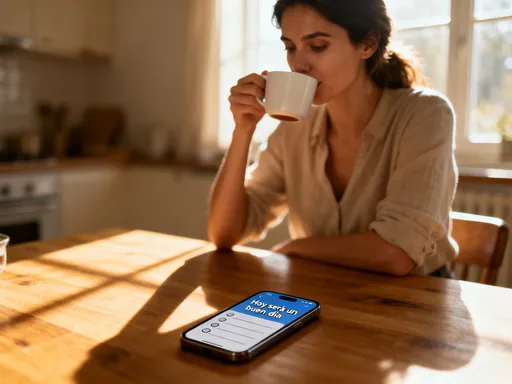
Here’s what surprised me most—better sleep didn’t just change my nights. It changed my days. I have more energy. I’m more patient. I laugh more. I actually enjoy the little moments—like watching my kids play in the backyard or sipping coffee while the sun rises.
One morning, I woke up before my alarm, feeling rested. No grogginess. No dread. I got up, made tea, and sat by the window. My daughter joined me, wrapped in a blanket, and we watched the birds at the feeder. We didn’t talk much. We just sat. And it was beautiful. That moment wouldn’t have happened before. I would’ve been rushing, stressed, already behind.
At work, I’m sharper. I focus better. I don’t feel overwhelmed by my to-do list. I even started a small online course—something I’d been putting off for years. Sleep gave me the mental space to grow.
And my relationships? Better. I listen more. I respond instead of react. My husband says I’m “lighter.” My kids say I’m “less shouty.” That’s the ripple effect—when you care for yourself, everyone around you benefits.
Rest isn’t selfish. It’s foundational. It’s the quiet force that makes everything else possible. And when you feel good, you show up as the person you want to be—not the tired version you’ve been making do with.
Your Turn: Start Small, Start Tonight
So here’s my invitation to you: Start small. Start tonight. You don’t need to overhaul your life. You don’t need to buy anything expensive. Just pick one thing—a bedtime reminder, a screen curfew, a breathing exercise, a warm drink. Something simple that feels doable.
And remember, this isn’t about discipline. It’s about care. It’s about giving yourself the gift of rest, not as a reward for being perfect, but as a right you deserve. You’ve spent years taking care of everyone else. Now it’s your turn.
Think of it like planting a seed. You don’t see the roots right away, but they’re growing. Every small choice you make—every night you choose calm over chaos—is a step toward a more energized, peaceful, joyful you.
You don’t have to do it all. You just have to begin. And tonight, as you close your eyes, know this: better sleep isn’t a dream. It’s within reach. And you’re already on your way.