It’s not just about sitting less: How gentle nudges help me eat better and think clearer
Have you ever realized how one small habit quietly shapes your whole day? I didn’t either—until I started using simple reminders that didn’t just tell me to stand, but helped me notice when I was reaching for snacks out of boredom, or skipping water because I was glued to my screen. These quiet digital nudges didn’t shout at me; they gently opened my eyes. Over time, I began to understand my body’s real cues—and how movement and mindfulness shape not just my health, but my focus, my choices, and even my peace of mind. It wasn’t about willpower or strict rules. It was about being gently guided back to myself, again and again, through the smallest of signals.
The Moment I Noticed a Pattern
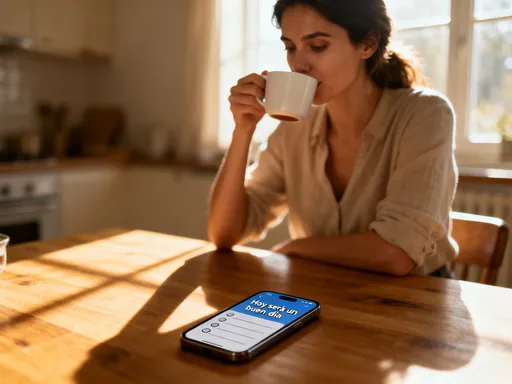
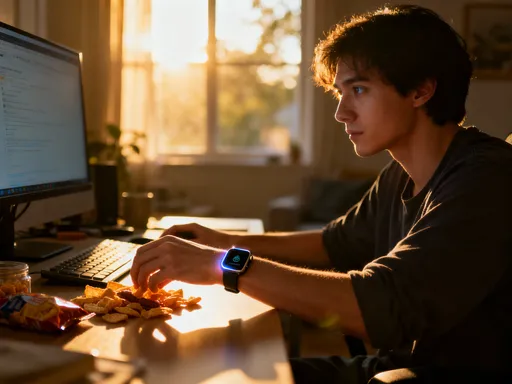
I remember that Tuesday afternoon like it was yesterday. I was working from my kitchen table, laptop open, a bowl of crackers within easy reach. The kids had just left for school, the house was quiet, and I was already on my third cup of coffee. By 2:30 PM, I felt heavy—not full, not satisfied, just… sluggish. My shoulders ached, my eyes were tired, and I found myself eyeing the snack drawer again. I hadn’t even had lunch yet.
Then my watch buzzed. Not a text, not a call—just a soft, single pulse. “Time to stand and stretch,” the screen read. I sighed. I’d set up these reminders months ago but mostly ignored them. They felt like nagging, like yet another thing on my to-do list. But that day, something made me listen. Maybe it was the fog in my head. Maybe it was the fact that I’d been in the same chair for two hours straight.
I stood up. I walked to the window. I stretched my arms overhead and took three slow breaths. And in that quiet pause, something shifted. I realized I wasn’t hungry. I wasn’t even thirsty. I was just… still. My body had been stuck in one position, my mind looping through the same thoughts, and my hand had reached for food not because I needed fuel, but because I needed a change.
That moment was a quiet revelation. It wasn’t the snack that would fix how I felt—it was movement. It wasn’t about eating less; it was about moving more. And the most surprising part? The reminder didn’t scold me. It didn’t say, “You’ve been sitting too long—shame on you.” It simply said, “Stand up. Stretch. Breathe.” It felt kind. Supportive. Like a friend gently tapping me on the shoulder and saying, “Hey, you’re still here. Don’t forget to take care of yourself.”
That one small nudge didn’t change my life overnight. But it did start a chain reaction. I began to notice patterns—how every time I sat for more than an hour, my focus dipped. How I’d reach for something sweet not because I was hungry, but because I was mentally tired. How my mood would shift when I finally moved. The technology didn’t fix anything. It just helped me see what was already happening.
From Sitting Less to Eating with Purpose
Once I started connecting the dots between sitting and mindless eating, everything changed. I realized that so many of my snack choices weren’t driven by hunger—they were driven by stillness. When I wasn’t moving, my brain would look for stimulation. And food was the easiest option. A crunchy chip, a piece of chocolate, a handful of nuts—it wasn’t about nourishment. It was about breaking the monotony.
So I decided to use those standing reminders as personal check-in moments. Instead of automatically standing and then sitting back down, I started using them as pauses. I’d stand, stretch, take a few sips of water, and then ask myself one simple question: “Am I actually hungry?”
At first, the answer was almost always no. I wasn’t hungry—I was restless. I was bored. I was stressed. And once I recognized that, I could choose differently. Sometimes I’d walk around the house. Sometimes I’d step outside for fresh air. Sometimes I’d just sit in a different chair. But I stopped reaching for food on autopilot.
What’s powerful about this is that it didn’t require any drastic changes. I didn’t need to count calories. I didn’t need to follow a strict meal plan. I just needed a few seconds of awareness. And those seconds added up. Over time, my eating became more intentional. I started choosing foods that truly fueled me, not just distracted me. I noticed how much better I felt when I ate mindfully—when I sat at the table, chewed slowly, and actually tasted my food.
The tools didn’t tell me what to eat. They didn’t shame me for eating dessert. They simply created space between impulse and action. And in that space, I found freedom. I wasn’t fighting my habits anymore. I was understanding them. And that made all the difference.
How Small Tech Supports Big Emotional Shifts
One of the most unexpected benefits of these gentle reminders was how they changed the way I talked to myself. For years, I’d approached health with a kind of quiet guilt. If I sat too long, I felt lazy. If I ate too much, I felt weak. If I skipped a workout, I felt like I’d failed. It was exhausting. And it didn’t work.
But these nudges were different. They didn’t come with judgment. They didn’t say, “You’ve been inactive for 90 minutes—what’s wrong with you?” They said, “Time to stand. Your body will thank you.” That small shift in language made a huge difference. It felt like care, not criticism.
I started to see my wellness journey not as a battle, but as a practice. A series of small, kind choices. And the technology became a partner in that practice. It wasn’t policing me. It was supporting me. It was like having a quiet ally who knew I was doing my best and just wanted to help.
This emotional shift was crucial. Because when we feel judged, we shut down. We resist. We give up. But when we feel supported, we open up. We try. We keep going. And that’s exactly what happened. I stopped seeing health as a rigid checklist of dos and don’ts. Instead, I started viewing it as a flow—a rhythm of movement, rest, and awareness.
The reminders helped me build that rhythm without pressure. They didn’t demand perfection. They just invited me to pause, notice, and choose. And over time, that invitation became a habit. A kinder, gentler way of living.
Linking Movement, Mind, and Daily Decisions
As I started moving more regularly—just standing, stretching, walking around the house—I noticed something surprising: my mind felt clearer. My thoughts were sharper. My focus improved. It was like a fog had lifted.
I began to see the connection between physical stagnation and mental fatigue. When I sat for too long, my body felt heavy, and my brain followed. I’d lose track of time. I’d reread the same sentence over and over. I’d feel restless but unable to act. And in that state, it was so easy to make impulsive choices—like grabbing a snack or scrolling endlessly on my phone.
But when I stood up, even for just a minute, everything shifted. My blood started moving. My breath deepened. My mind reset. It was like hitting a refresh button. And in that reset, I could make better decisions. I could choose water instead of soda. I could say no to the cookie. I could return to my work with renewed focus.
These small movements didn’t replace exercise. I still walk, stretch, and move my body in more intentional ways. But they created a foundation. They built awareness throughout the day. And that awareness made everything else easier. Healthy eating, focus, productivity—they all flowed more naturally when I wasn’t fighting mental fog.
What I love most is that this didn’t require extra time or effort. It wasn’t about adding another thing to my schedule. It was about weaving small moments of movement into the day I was already living. And those moments added up to something powerful—a clearer mind, a calmer body, and better choices.
Making It Work in Real Family Life
One of the things I worried about at first was whether this would feel isolating. Would I be the only one standing up every hour? Would it seem weird? But when I shared the idea with my family, something beautiful happened.
We started setting shared reminders. After dinner, our watches would buzz at the same time: “Time to walk.” At first, it felt a little silly. But soon, it became a ritual. We’d put on our shoes, step outside, and walk around the block together. We’d talk about our days, laugh about little things, or just enjoy the quiet.
My teenage son, who used to roll his eyes at anything even remotely “healthy,” started noticing how much better he felt after moving. He told me he could focus better on his homework after a short walk. My younger daughter started doing little stretches in the living room, calling them her “energy breaks.”
It wasn’t about discipline. It wasn’t about rules. It was about connection. We were moving together. We were checking in with our bodies. And we were doing it without pressure or judgment.
The technology adapted to our lives instead of controlling them. We turned off reminders during movies. We delayed them when we were in the middle of a conversation. But having them there as gentle invitations made a difference. They helped us stay present with each other and with ourselves.
And honestly? It made us closer. We weren’t just sharing a house. We were sharing a rhythm. A way of living that honored our bodies and our minds.
Choosing Tools That Feel Human
Not all tech is created equal. I’ve tried apps that felt harsh, demanding, or guilt-inducing. Ones that said things like, “You haven’t moved in 2 hours—get up now!” or “You’re behind on your goals.” And every time, I shut them off. They didn’t help. They made me feel worse.
What worked for me were tools that felt kind. That used gentle language. That respected my pace. I looked for features like customizable messages—ones I could set to say, “How are you feeling?” or “Take a breath. You’re doing great.” I appreciated reminders that could be snoozed, not punished. That understood life gets busy.
I also liked tools that didn’t just track data but encouraged reflection. Some apps asked me to log how I felt after moving. Others offered short mindfulness prompts. They didn’t just say, “You walked 5,000 steps.” They asked, “How did that walk make you feel?”
That small shift—from tracking to reflecting—made all the difference. It turned data into insight. It helped me connect my actions to how I felt. And that connection is what leads to lasting change.
The best tech, I’ve learned, isn’t the most advanced. It’s the most human. It’s the kind that feels like a friend, not a drill sergeant. It’s supportive, flexible, and kind. And when it comes to wellness, that’s exactly what we need.
A Calmer, Clearer Way to Live
Looking back, I can see how much has changed—not because I followed a strict plan, but because I allowed myself to be gently guided. Those small nudges didn’t fix everything. I still have days when I sit too long, eat mindlessly, or feel overwhelmed. But now, I notice sooner. I pause. I choose differently.
The real benefit wasn’t just eating better or sitting less. It was gaining a deeper understanding of myself. It was learning to listen to my body. To honor my energy. To make choices that support my well-being, not punish it.
And perhaps most importantly, it was learning to be kinder to myself. To see wellness not as a destination, but as a daily practice. One built on small, intentional moments. One that fits into real life—messy, busy, beautiful life.
If you’re feeling stuck, if you’re tired of rigid rules and constant guilt, I want to tell you this: you don’t need a big overhaul. You don’t need perfection. You just need one small nudge. One pause. One moment of awareness.
Let technology be that gentle voice. Let it remind you to stand, to breathe, to check in. Let it help you see the patterns. And let it guide you—softly, kindly—back to yourself. Because when we pay attention, even in the smallest ways, everything changes. One quiet moment at a time.