Recorded 47 Work Sessions: This Screen Tool Cut My Review Time in Half
Have you ever replayed a meeting or task only to waste time rewatching the whole thing? I used to lose hours sifting through endless screen recordings, frustrated and overwhelmed. Then I found a simple trick—one small change in how I record and review. It didn’t just save minutes; it gave me back focus, clarity, and energy. This isn’t about flashy tech—it’s about real life. Let me show you how something as ordinary as screen recording can quietly transform your workday.
The Moment I Realized My Screen Recordings Were Wasting Time
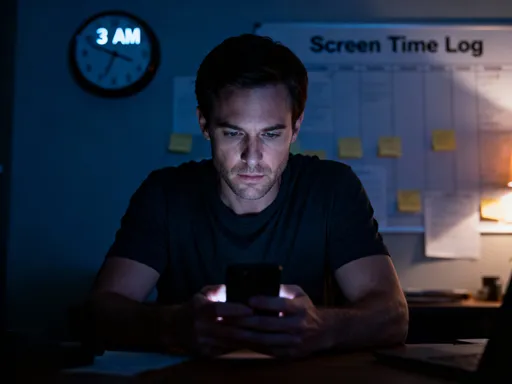
It was a Wednesday afternoon, and I was knee-deep in a project review. I had recorded my screen earlier that week while walking through the latest updates—charts, feedback, timelines—all neatly laid out. I thought I was being smart. I hit play, leaned back, and prepared to absorb everything. But within minutes, I was lost. Where did I mention the budget concerns? Was the client’s note about font size before or after the logo discussion? I scrubbed forward, then back, then forward again. Twenty minutes later, I still hadn’t found what I needed. That two-hour recording felt like a maze with no exit.
By the end, I was exhausted, not enlightened. I hadn’t gained clarity—I’d lost time, focus, and patience. That moment hit me hard. I wasn’t using my recordings to save time; I was using them to waste it. And I knew I wasn’t alone. I started asking friends and coworkers: “Do you actually watch your screen recordings?” Most admitted they didn’t. Some said they’d start, then give up. Others confessed they just re-recorded everything because it was faster than reviewing. That’s when I realized: the problem wasn’t the recordings themselves. It was how we were using them. We were treating them like passive videos instead of active tools. And that small misunderstanding was costing us hours every week.
Why Most People Misuse Screen Recording (And Don’t Even Know It)
Think about how you record a screen. You click a button, talk through your work, and save the file. Simple, right? But here’s the catch: without structure, a screen recording is just a digital monologue. It lacks signposts, highlights, or emotional cues. It’s like listening to a long voicemail with no summary at the beginning. You have to sit through the whole thing to get the one piece of info you need.
I’ve talked to so many women—mothers, freelancers, team leads—who record their work but rarely go back to them. One friend told me, “I feel guilty deleting them, but I never have time to watch.” Another said, “I record just in case, but I end up explaining everything again in an email.” That’s the irony. We record to avoid repetition, but without intention, we end up repeating more. The issue isn’t laziness or lack of discipline. It’s that most of us weren’t taught how to record with purpose. We focus on capturing every pixel, but forget about the person who will watch it later—often ourselves.
And that viewer—whether it’s you next week or a colleague reviewing your work—needs guidance. Without clear moments marked, the brain has to work harder to follow along. It’s like reading a book with no chapter titles. You can do it, but it’s exhausting. Our attention spans are already stretched thin between family, work, and personal goals. The last thing we need is another task that drains us. That’s why so many recordings go unwatched. They’re not failures of technology—they’re failures of design. The fix isn’t more features. It’s better habits.
The One Habit That Transformed My Workflow
The real shift didn’t come from upgrading software. It came from changing how I speak during a recording. I started adding short, spoken timestamps—simple phrases like “Now showing the budget breakdown,” or “This is where I updated the client’s feedback.” No extra tools. No fancy editing. Just me, talking clearly and intentionally as I worked.
At first, it felt awkward. I worried I sounded too formal, like a news anchor narrating my own screen. But after a few tries, it became natural. And the difference in review time was immediate. Instead of scrubbing through 30 minutes of footage, I could jump straight to the section I needed. If my manager asked, “Where did you address the timeline changes?” I could find it in seconds. That alone saved me at least an hour a week. But the bigger win was mental clarity. Knowing I had to name each section kept me focused during the recording, too. I wasn’t just capturing—I was thinking, organizing, communicating.
Later, I discovered tools with auto-chaptering, where the software detects pauses or keywords and creates timestamps automatically. Those are helpful, sure, but they didn’t replace the value of my verbal cues. Why? Because intention matters more than automation. When I say, “Now reviewing the design changes,” I’m not just marking a moment—I’m reinforcing my own understanding. It’s like teaching as you go. And when someone else watches, they don’t just see the screen—they hear my thought process. That builds trust, reduces follow-up questions, and makes collaboration smoother. The tech didn’t change my workflow. My mindset did.
How to Record with Purpose, Not Just Capture
Now, before I hit record, I take two minutes to plan. I ask myself: What are the three key things I want to share? Maybe it’s a problem I solved, a decision I made, or feedback I’m giving. I jot them down—nothing fancy, just bullet points on a sticky note. Then, as I record, I use those as my guide. “First, here’s the issue we faced. Second, how we fixed it. Third, what’s next.”
This simple structure turns a rambling session into a clear message. It’s like leaving breadcrumbs for my future self. And it makes sharing with others so much easier. I remember one time, I sent a recording to my sister, who runs a small online shop. She was struggling with a new inventory tool. I recorded a quick walkthrough, using my three-point method: “Here’s where you log in. Here’s how to add products. Here’s the report that shows your sales.” She texted me later: “I watched it once and got it. No confusion, no stress.” That’s the power of purposeful recording. It’s not about showing everything—it’s about showing what matters.
And here’s the best part: when you record with intention, you often realize gaps in your own thinking. Maybe you can’t explain a step clearly. Maybe you skipped a detail. That’s feedback, too. It helps you improve before anyone else even sees it. I’ve caught mistakes in my own work just by hearing myself talk through it. It’s like a built-in quality check. So don’t think of recording as just a way to communicate later. Think of it as a tool for thinking now. The screen isn’t just capturing your actions—it’s reflecting your clarity.
Real-Life Wins: From Team Updates to Personal Learning
The ripple effects surprised me. At work, I started sharing shorter, clearer recordings instead of long emails or back-and-forth messages. My team responded faster because they didn’t have to guess what I meant. One colleague said, “I actually watch your videos. They feel like you’re sitting here explaining it.” That meant everything. It wasn’t about being tech-savvy—it was about being thoughtful.
But the wins weren’t just professional. My sister, who’s learning to build her own website, started using the same method. She records her practice sessions, narrating each step. When she gets stuck, she shares the clip with her mentor. “It’s easier than trying to explain over the phone,” she said. And her mentor loves it because he can see exactly where she’s confused. No more vague questions like “I don’t get it.” Now it’s, “At 2:15, when I clicked the menu, nothing happened.” That specificity saves time and builds confidence.
Even my nephew, who’s in middle school, picked it up. He used to rush through his science project videos, just showing the final model. Now, he records himself building it, saying things like “Now I’m testing the bridge strength” or “This part kept falling, so I added tape here.” His teacher gave him better feedback because she could see his process, not just the result. His grades improved, but more importantly, he felt proud of how he learned. That’s what this is really about—using simple tech to make growth visible, shareable, and meaningful.
Choosing the Right Tool Without Getting Overwhelmed
When I first started, I thought I needed the fanciest app. I downloaded three different screen recorders, each with more buttons than my microwave. One had animated intros. Another promised AI summaries. But most were slow, buggy, or just too complicated for daily use. I’d spend more time learning the tool than doing my work. That’s when I realized: the best tech doesn’t shout. It just works.
I now use a simple, reliable app that does three things well: records clearly, saves automatically, and lets me trim the start and end easily. It doesn’t have flashy features, but it’s stable. It doesn’t crash. It doesn’t eat my battery. And when I share a link, the person on the other end can watch it without signing up or downloading anything. That matters—especially when you’re sending clips to busy parents, teachers, or older relatives who don’t want tech headaches.
Here’s my rule now: if a tool takes more than five minutes to learn, it’s probably not right for real life. I’ve seen apps that promise to transcribe, edit, and summarize your recordings—but if it takes 20 minutes to upload or exports in a weird format, it’s not saving time. It’s adding friction. So I stick with what’s simple, proven, and easy to share. And I always test it first with a short, personal recording—like showing my daughter how to edit her homework slideshow. If it works there, it’ll work at work.
Making It Stick: Turning a Tip into a Daily Habit
I didn’t change everything overnight. I started small—just one purposeful recording per week. I picked low-stakes moments: a quick tutorial for my book club, a reminder for my husband about the Wi-Fi setup, a walkthrough of a new recipe app. Each time, I practiced naming the sections out loud. Slowly, it became second nature. Now, I don’t even think about it. When I record, I naturally pause and say, “Now showing the results,” or “Next, how to adjust the settings.”
What started as a time-saving trick became a mindset. I’m more organized, more confident, and less stressed when sharing my work. My recordings are shorter, but they carry more weight. And the hours I’ve reclaimed? I’ve used them for things that matter—reading with my kids, taking a walk, or just sitting quietly with a cup of tea. That’s the real win. Technology shouldn’t make us busier. It should make us freer.
So if you’ve ever felt lost in your own recordings, I get it. I’ve been there. But you don’t need a tech overhaul. You just need one small shift: speak with intention. Let your voice guide the viewer. Make your recordings work for you, not against you. Because when tech fits your life—quietly, gently, reliably—it stops being a chore and starts being a quiet helper. And sometimes, the smallest tools make the biggest difference.